
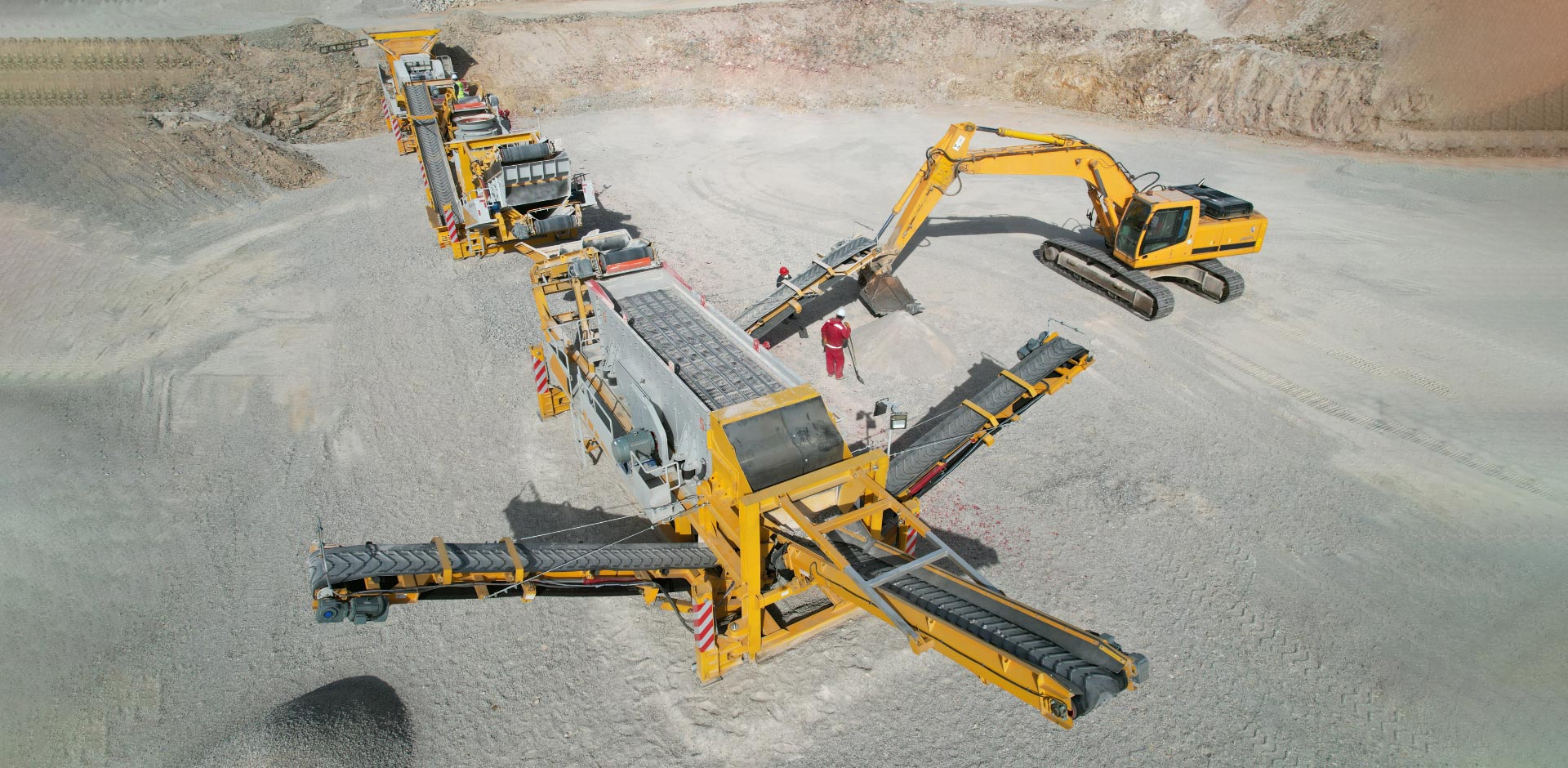
As the global community embarks on an ambitious journey to rebuild and modernize its foundational infrastructure, the spotlight often falls on architectural marvels and advanced engineering designs. Yet, beneath these superstructures lies an unheralded protagonist: the limestone crusher. This workhorse of the construction industry is the primary architect of the very material that forms our roads, bridges, and foundations. Limestone, a sedimentary rock composed predominantly of calcium carbonate, is the most extensively quarried stone globally, owing to its versatility, abundance, and remarkable suitability for a vast array of construction purposes. As we demand smarter, more resilient, and more sustainable infrastructure, the capabilities of limestone crusher equipment must evolve in tandem. This article delves into the multifaceted contribution of these crushers, exploring their critical role in providing the high-grade aggregates necessary for the durable and eco-conscious infrastructure of tomorrow.
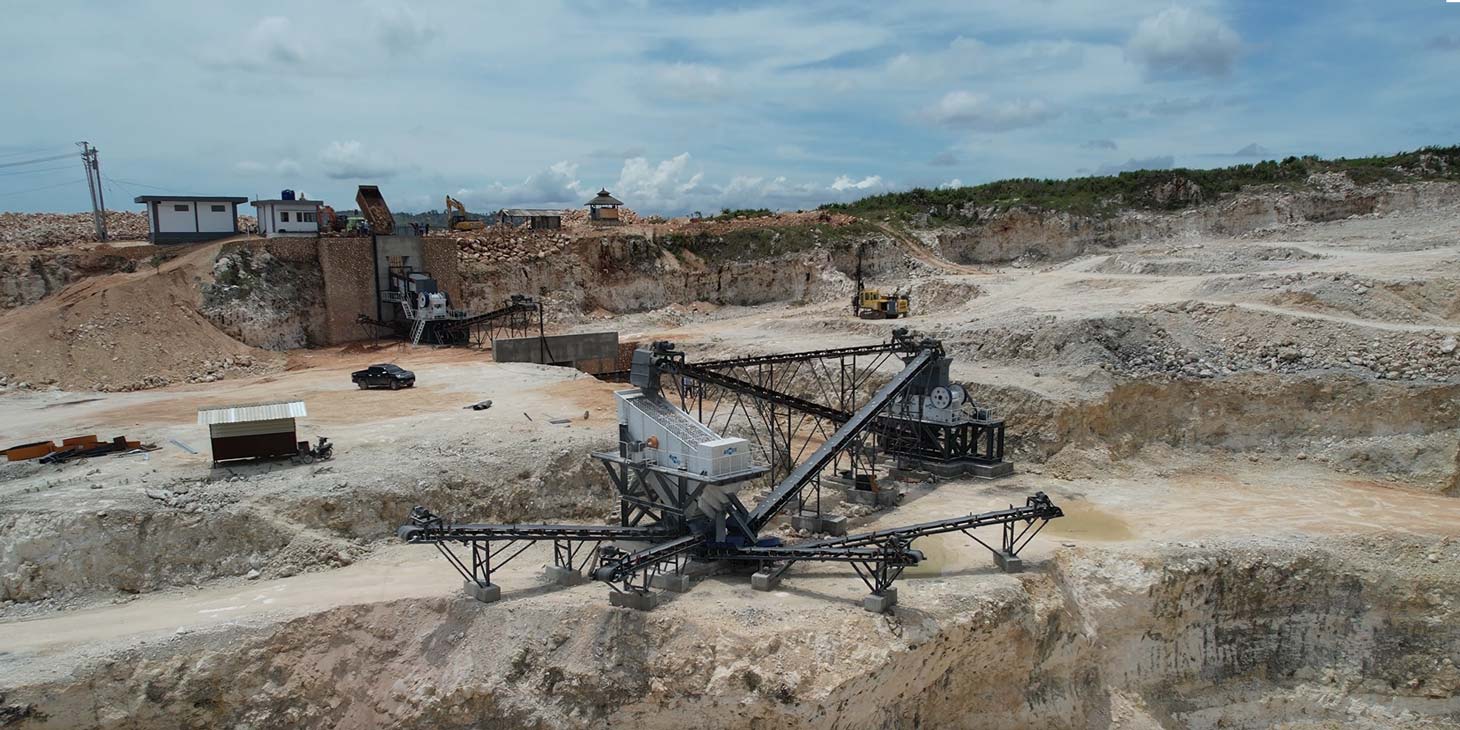
1. Producing the Foundation of Modern Construction
The essentiality of limestone in construction cannot be overstated. It is the literal foundation upon which our civilization is built, and the crusher is the instrument that renders it usable.
Aggregates for Rigid and Flexible Pavements
Whether it is a high-traffic motorway or a rural access road, the base and sub-base layers rely heavily on crushed limestone. Its angular particles, produced through precise crushing, interlock to create a robust, load-bearing platform. Modern cone crushers and impactors are pivotal in achieving the specific gradations required for different pavement designs. For rigid concrete pavements, the crusher delivers aggregates with an impeccable cubicity and a clean surface profile, ensuring a strong bond with the cement paste. In flexible asphalt pavements, the crusher provides material that, when blended with bitumen, creates a skid-resistant, durable wearing course. The ability to fine-tune the crushing circuit to produce these diverse specifications is what makes the limestone crusher an indispensable partner in road construction.
Manufactured Sand to Mitigate Natural Scarcity
The world is facing a dire shortage of natural river sand, a resource vital for concrete production. This scarcity has made the manufacturing of high-quality sand from limestone an environmental and economic necessity. Advanced vertical shaft impact crushers (VSIs) – sand making machine are engineered to produce a cubical, well-graded sand that mimics, and in many aspects surpasses, the properties of natural sand. This manufactured limestone sand reduces the reliance on dredging rivers, thereby protecting aquatic ecosystems. Furthermore, it offers consistent quality and gradation, leading to more predictable concrete strengths. By embracing this technology, crushers are not just producing aggregates; they are actively participating in the stewardship of our natural resources, ensuring the longevity of the construction industry.
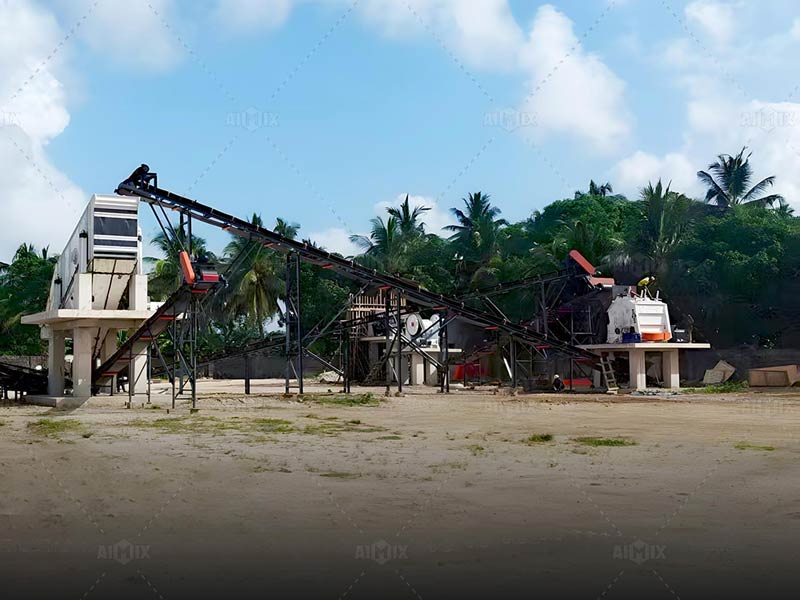
2. Meeting the Sustainability Imperative
The next generation of infrastructure is defined by stringent environmental criteria. Limestone crushers are pivotal in meeting these requirements through innovative processing and material efficiency.
Reducing the Carbon Footprint through Proximity
The embodied carbon of construction materials is a paramount concern. Transporting heavy aggregates over vast distances generates significant emissions. By utilizing mobile or strategically located stationary limestone crushers, projects can source their aggregates locally, drastically reducing the carbon footprint associated with logistics. This localized approach not only lowers transportation costs but also aligns with the growing regulatory pressures and client demands for sustainable supply chains. The ability to set up a crushing operation near the point of use is a powerful strategy for decarbonizing the early stages of a construction project, transforming a logistical burden into an environmental asset.
Waste Minimization and Circularity
Efficiency in the crushing process is not just about throughput; it is also about minimizing waste. Modern limestone rock crusher for sale is designed with advanced screening and recirculating systems that ensure a maximum yield of saleable product. Overburden and fines, traditionally seen as waste, are now being re-evaluated as valuable by-products. These fines can be utilized in soil stabilization, agricultural lime applications, or even as filler in asphalt production. This “circular” approach to material processing ensures that virtually every tonne of limestone extracted is transformed into a beneficial commodity, reinforcing the industry’s commitment to a zero-waste future and enhancing the overall economic viability of the quarry.
3. Adapting to Future Construction Demands
As infrastructure projects become more complex, the demands on the materials increase. Limestone crushers are evolving to meet these new challenges through technological innovation and process refinement.
Automation and Process Control
The modern limestone crusher is a far cry from its rudimentary predecessors. Integrated automation systems now monitor energy draw, hydraulic pressure, and product size in real-time. These sophisticated controls allow the aggregate crusher to self-adjust to variations in feed material, ensuring a consistent product quality with minimal human intervention. For the infrastructure project, this translates to a guaranteed supply of material that strictly adheres to the tight tolerances of modern engineering specifications. This precision reduces the risk of structural weaknesses and ensures the longevity of the built asset, making the crusher a guarantor of quality, not just a source of quantity.
Enhanced Durability for Extreme Applications
Infrastructure is being built in increasingly challenging environments, from the permafrost regions to high-seismic zones. The aggregates used in these areas must exhibit exceptional durability, resistance to freeze-thaw cycling, and high friction values. Specialized limestone crushers are being employed to produce materials with a high polished stone value (PSV) for critical safety areas like highway surfacing. The ability to crush limestone into dense, tough, and weather-resistant particles is a testament to the adaptability of modern machinery. By meeting these stringent demands, the limestone crusher ensures that our infrastructure is not just built for today, but is resilient enough to withstand the exigencies of tomorrow’s climate and usage patterns.