
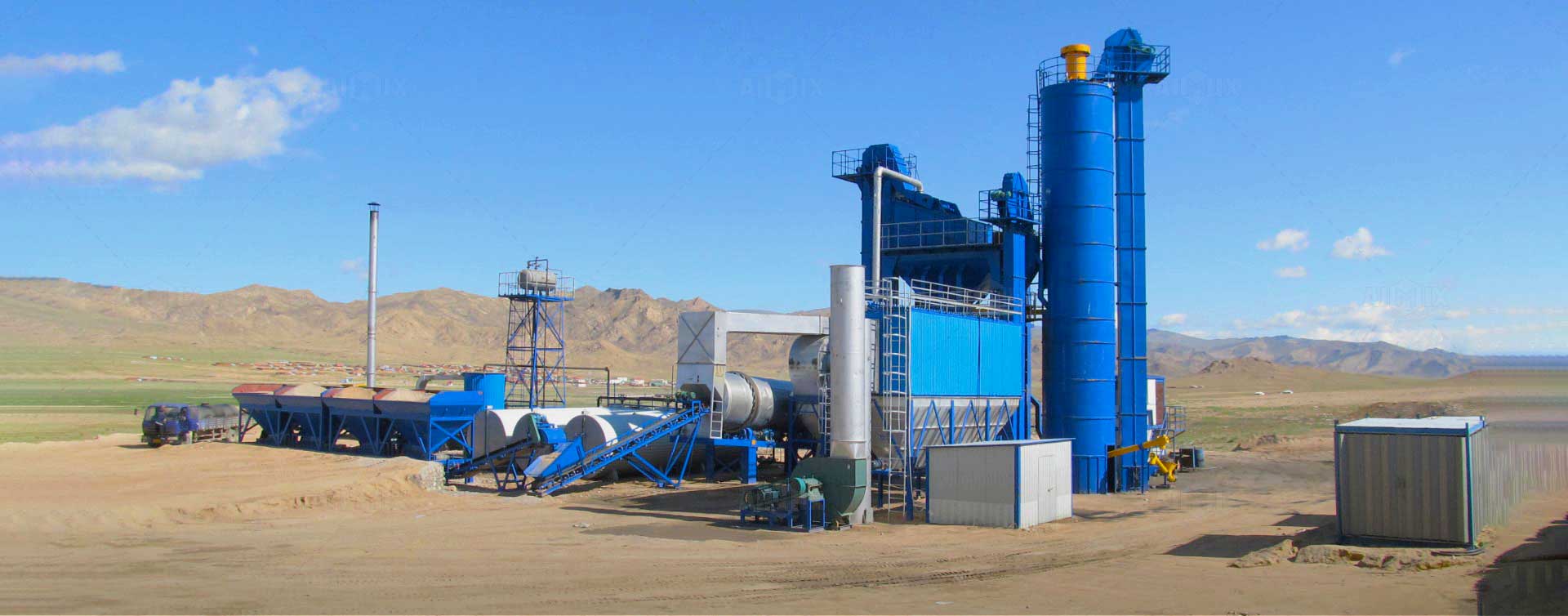
For asphalt producers, reaching an annual output of more than 200,000 tons represents an important stage of business growth. At this production level, companies usually serve large infrastructure projects, highway construction, municipal road upgrades, and commercial developments. Therefore, production efficiency, asphalt quality, and operating costs become key factors that directly influence profitability.
Many companies now consider whether investing in asphalt plant automation can create enough value to justify the investment. This question is especially important for businesses that already operate large-scale production facilities or plan to expand their asphalt supply capacity.
Automation is not only about adding advanced technology. Instead, it helps asphalt producers achieve more stable production, accurate material control, lower resource waste, and better management decisions. For companies producing hundreds of thousands of tons annually, these improvements can create long-term competitive advantages.
However, the right investment decision requires a clear understanding of production challenges, automation benefits, and future business goals. This article explains how asphalt plant automation works and why it matters for high-volume asphalt producers.
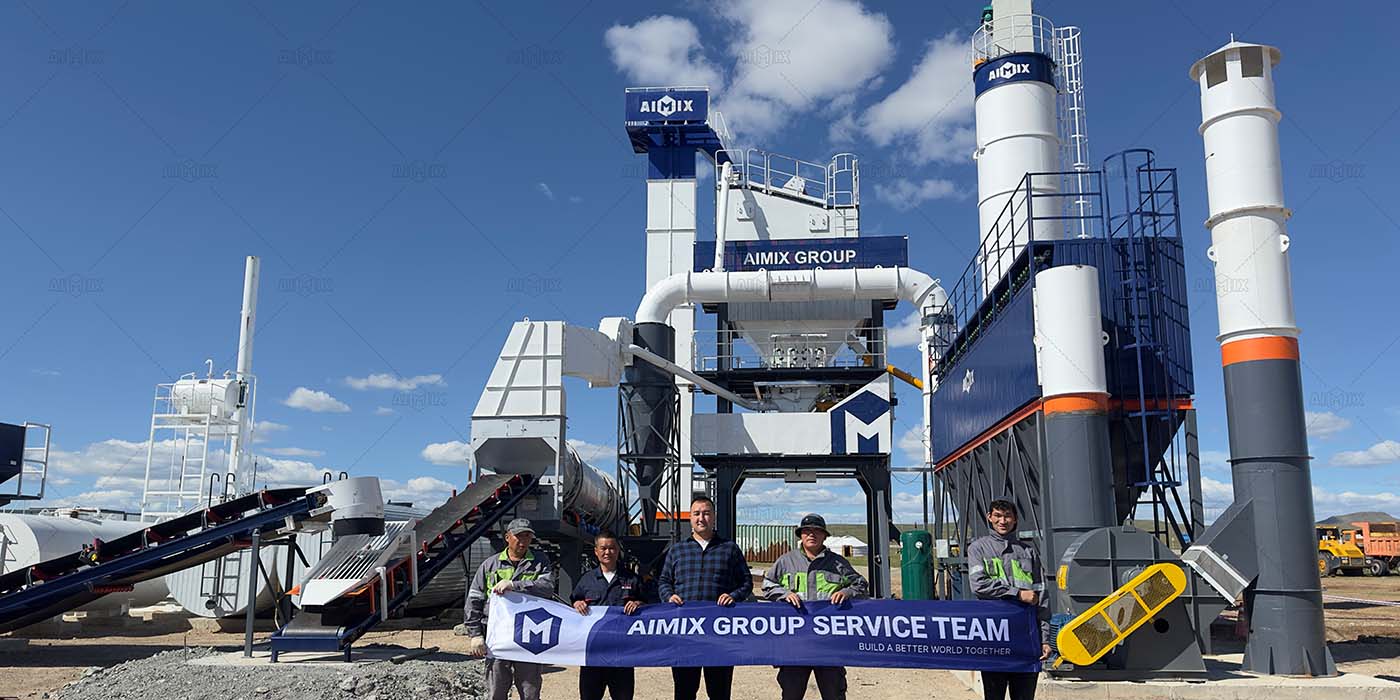
Why High-Output Asphalt Producers Need More Than Traditional Operation
When annual asphalt production exceeds 200,000 tons, traditional operation methods often become more difficult to manage. A small production error that seems insignificant in a small plant can create considerable losses in a large production environment.
For example, inaccurate aggregate feeding, unstable temperature control, or incorrect asphalt binder ratios can affect pavement performance. At the same time, material waste and additional maintenance costs can reduce overall project profits.
Moreover, large asphalt companies usually manage multiple construction projects at different locations. They need reliable production planning, consistent asphalt quality, and accurate delivery schedules. Therefore, relying only on manual operation may limit business growth.
Modern production facilities increasingly focus on intelligent management systems. A well-designed aggregate industries asphalt plant can combine automation technology with efficient production processes to support higher output requirements.
As a result, automation becomes a practical solution rather than a luxury feature. It allows companies to move from experience-based operation toward data-driven production management.
Common Challenges For Asphalt Companies Producing Over 200,000 Tons Per Year
| Production Challenge | Business Impact | Automation Solution |
|---|---|---|
| Material proportion errors | Reduced asphalt quality and increased waste | Automatic weighing and precise material control |
| High fuel consumption | Higher production costs | Better temperature monitoring and burner adjustment |
| Operator dependency | Production risks caused by human mistakes | Standardized automatic operation procedures |
| Lack of production data | Difficult performance evaluation | Real-time monitoring and production records |
These challenges become more obvious as production volume increases. Therefore, companies need systems that improve not only production speed but also operational stability.
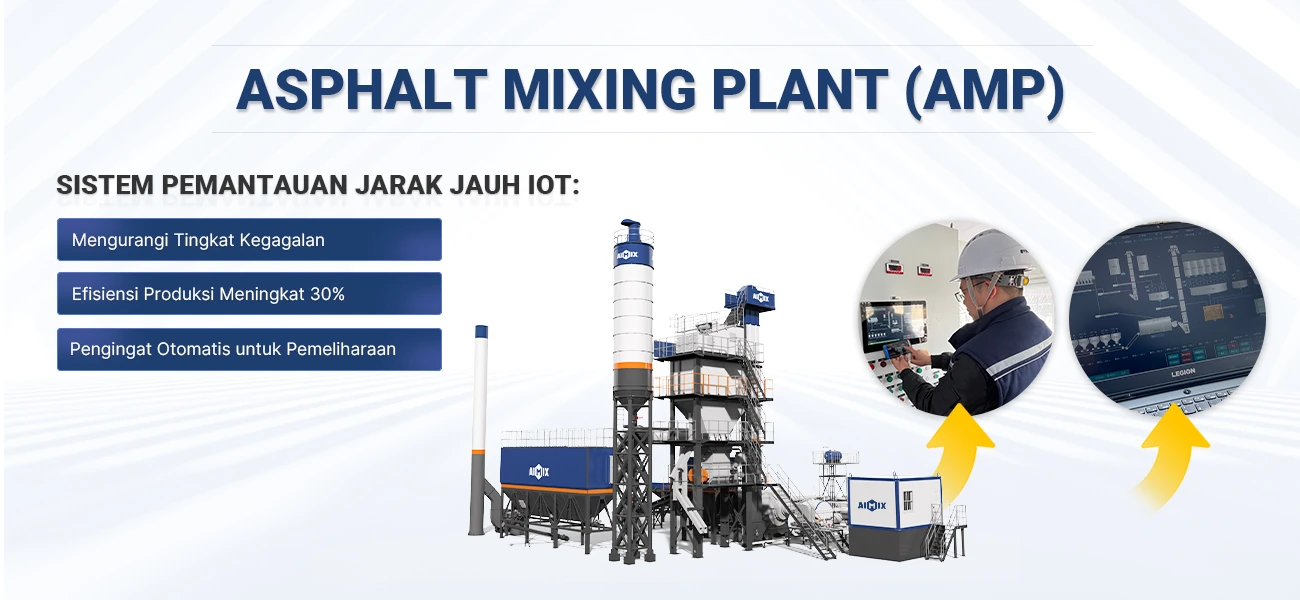
How Asphalt Plant Automation Improves Production Efficiency
After understanding the difficulties faced by large asphalt producers, it is important to examine how automation creates practical improvements. The main value of automation comes from improving every stage of asphalt production.
1. More Accurate Material Control Reduces Production Waste
Asphalt production requires accurate coordination between aggregates, asphalt binder, mineral powder, and additives. Even a small variation in material proportion can influence final pavement performance.
Automated weighing systems help maintain accurate material ratios during every production cycle. Operators can set production formulas through the control system, and the plant can automatically adjust feeding processes according to requirements.
For companies producing over 200,000 tons annually, this accuracy creates measurable economic benefits. A small reduction in material waste can save thousands of tons of resources over several years.
2. Faster Production Management Improves Project Response
Large contractors often require asphalt suppliers to respond quickly to changing construction schedules. Delays in asphalt production can affect the entire project timeline.
Automation allows operators to monitor production conditions in real time. Managers can quickly understand output capacity, equipment status, and material consumption.
Therefore, companies can make faster decisions and improve coordination between asphalt production and construction sites.
In addition, automated systems help reduce unnecessary downtime. When equipment performance changes, operators can identify potential problems earlier and arrange maintenance before serious failures occur.
3. Stable Asphalt Quality Improves Customer Confidence
For asphalt suppliers, consistent quality is one of the most important factors for maintaining long-term customer relationships. Highway contractors and government projects often require strict quality standards throughout the construction process.
Automation supports stable production conditions by controlling key factors such as mixing time, aggregate temperature, and asphalt content.
Consequently, every batch of asphalt can achieve a more consistent quality level. This reduces quality disputes and helps suppliers build stronger market reputation.
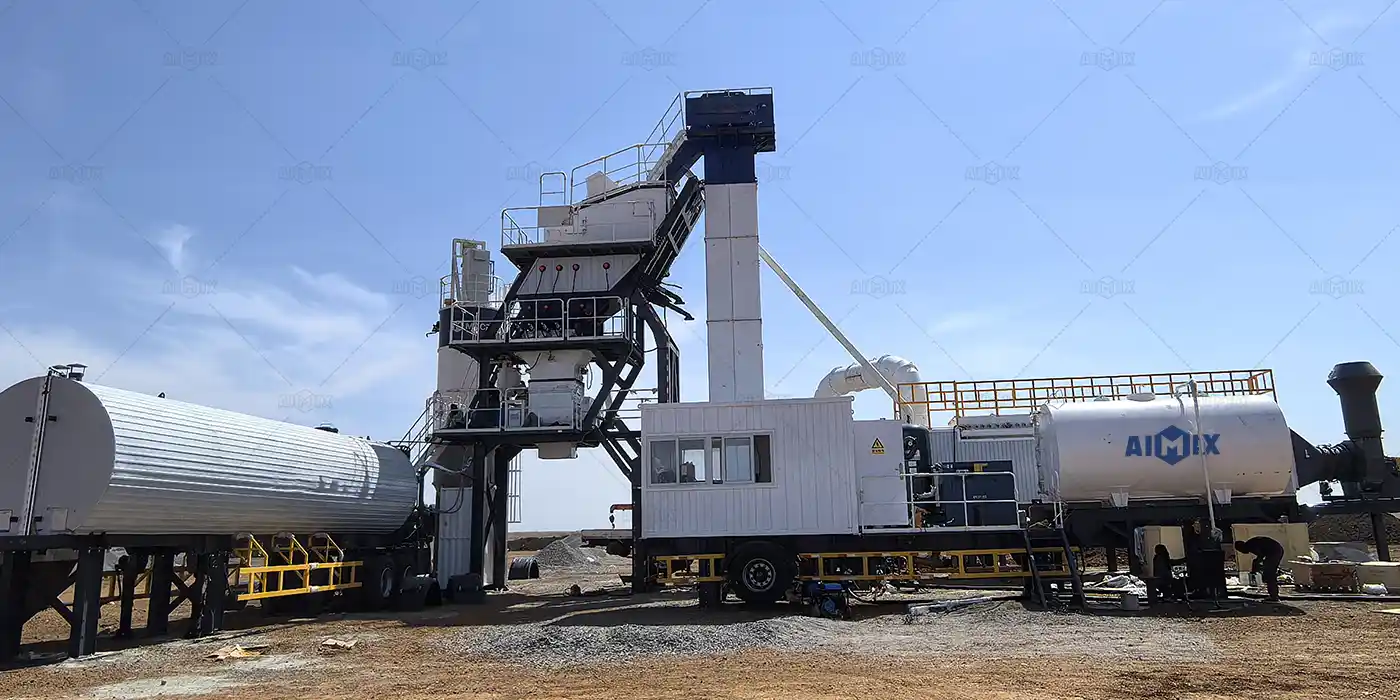
Is Asphalt Plant Automation A Good Investment For 200,000+ Tons Annual Production?
Although automation requires additional investment, companies should evaluate the decision from a long-term business perspective. The question is not only how much the system costs today, but also how much value it can create during years of operation.
For high-volume asphalt producers, automation usually provides stronger returns because production volume increases the financial impact of efficiency improvements.
For example, reducing fuel consumption, decreasing material waste, improving production speed, and lowering maintenance risks can significantly influence annual operating costs.
However, each company has different requirements. Production capacity, project type, labor conditions, energy costs, and future expansion plans should all be considered before selecting an automated solution.
Production Capacity And Future Expansion Plans
Companies should first evaluate current production demand and future growth expectations. If asphalt demand continues increasing, investing in automation can provide a stronger foundation for expansion.
For instance, a company operating a medium or large asphalt plant may need higher flexibility when supplying multiple highway projects or regional infrastructure programs.
A suitable system should support current production targets while allowing future upgrades when business requirements change.
Labor Availability And Operation Skills
Another important factor is workforce management. Many asphalt companies experience difficulties finding experienced operators who can manage complex production processes for long working periods.
Automation reduces dependence on manual adjustments and helps standardize daily operations. Operators can monitor production through an intelligent control interface instead of manually controlling every production step.
However, automation does not replace professional knowledge. Skilled technicians are still necessary to manage production settings, perform maintenance, and optimize plant performance.
Therefore, companies should combine advanced automation systems with proper employee training. This combination creates a more reliable production environment.
Long-Term Operating Cost Analysis
The initial investment is one of the main concerns when companies consider asphalt plant automation. However, focusing only on the purchase cost may overlook the long-term financial benefits.
Large-scale asphalt production involves continuous expenses, including fuel consumption, labor costs, maintenance, material waste, and equipment downtime. Automation can help control these costs through more accurate operation and better resource management.
For companies producing more than 200,000 tons annually, even small improvements can create significant savings over time. Therefore, evaluating the total cost of ownership is more meaningful than considering only the initial equipment price.
Before making a decision, companies should analyze their production goals and compare different solutions. Understanding the asphalt plant cost and expected return can help investors select a more suitable configuration.
What Automation Technologies Are Used In Modern Asphalt Plants?
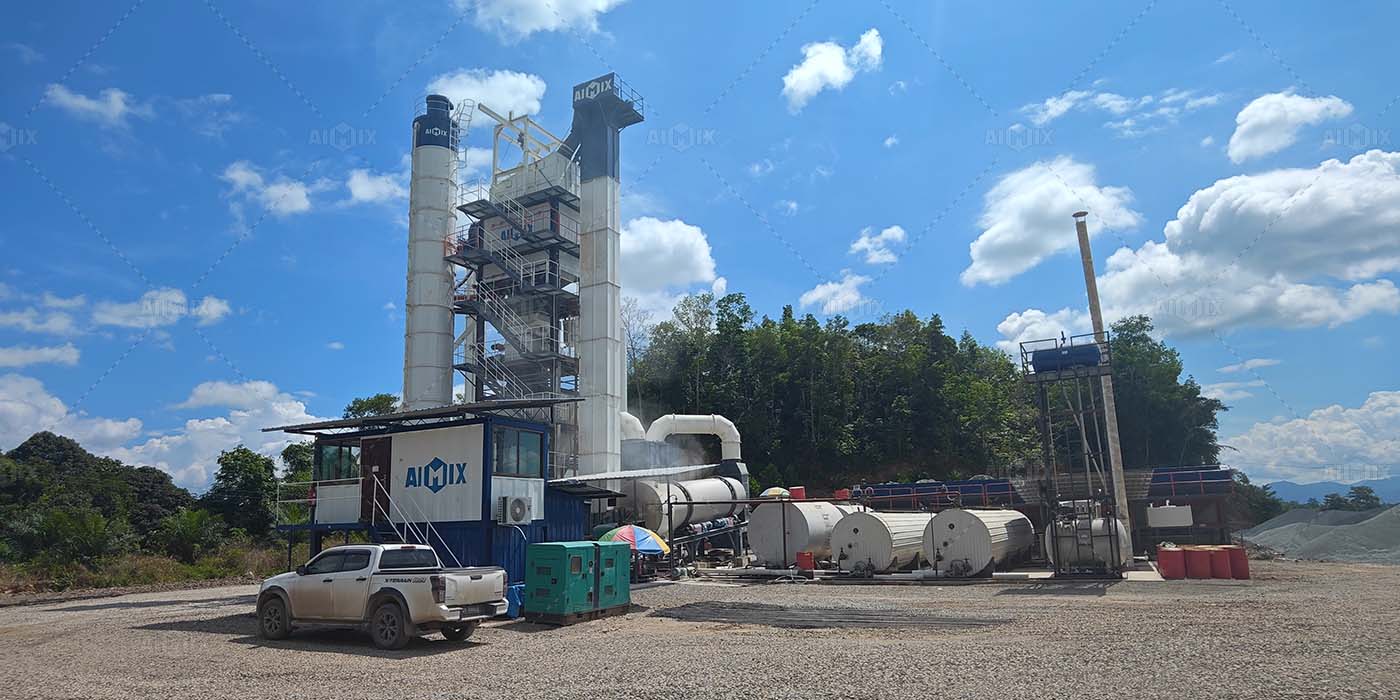
Modern asphalt plants combine software systems, sensors, and intelligent control technologies to improve production management. These technologies work together to create a more efficient and transparent production process.
For large asphalt producers, automation is valuable because it connects different production stages. From aggregate feeding to final asphalt discharge, each step can be monitored and adjusted more accurately.
Automatic Production Control System
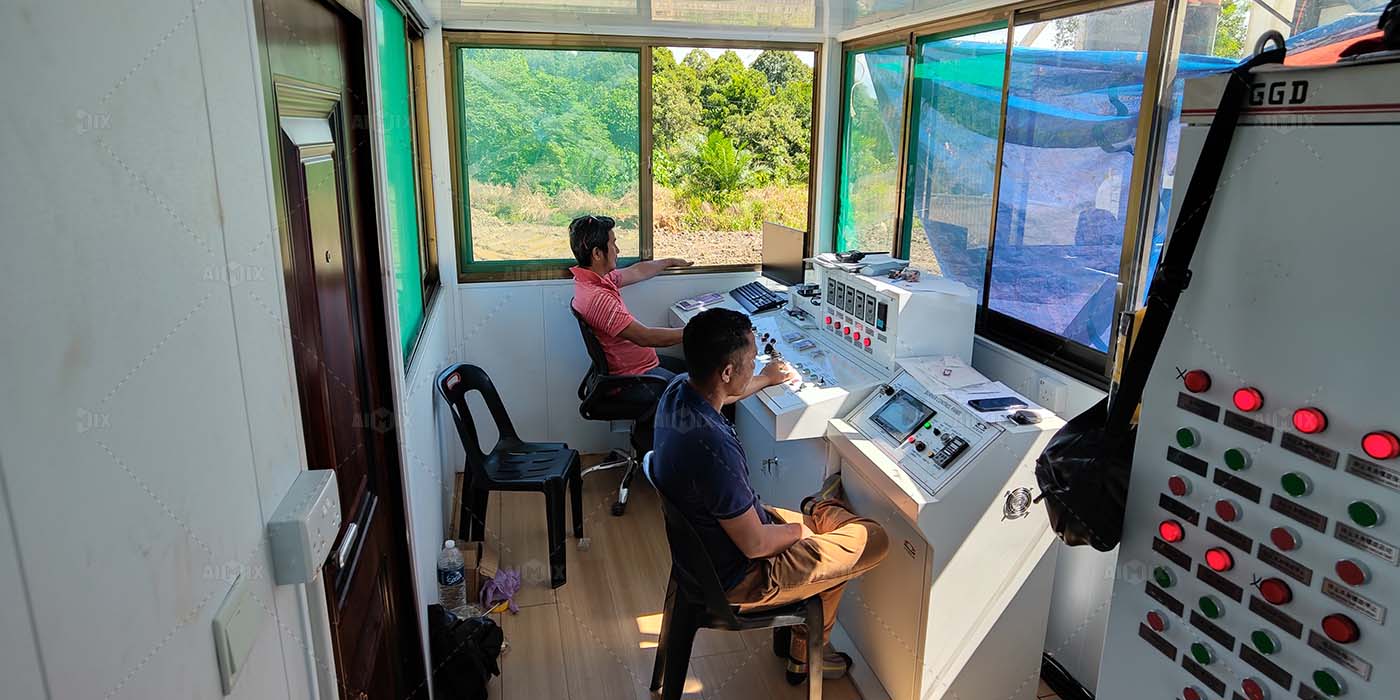
The automatic control system is the core part of an intelligent asphalt plant. It manages important production processes, including cold aggregate feeding, drying, screening, weighing, mixing, and material discharge.
Operators can set production parameters according to different asphalt mixture requirements. Then, the system automatically controls the production process based on these settings.
As a result, the plant can maintain stable operation even during long production periods.
Real-Time Data Monitoring
Data visibility is becoming increasingly important for modern construction businesses. Without accurate production information, managers may find it difficult to identify efficiency problems.
Automation systems collect important operating data, such as production output, temperature changes, material consumption, and equipment conditions.
Therefore, managers can evaluate plant performance and make better decisions based on actual production information.
This approach is especially useful for companies operating multiple projects because management teams can understand production situations more efficiently.
Remote Management And Smart Operation
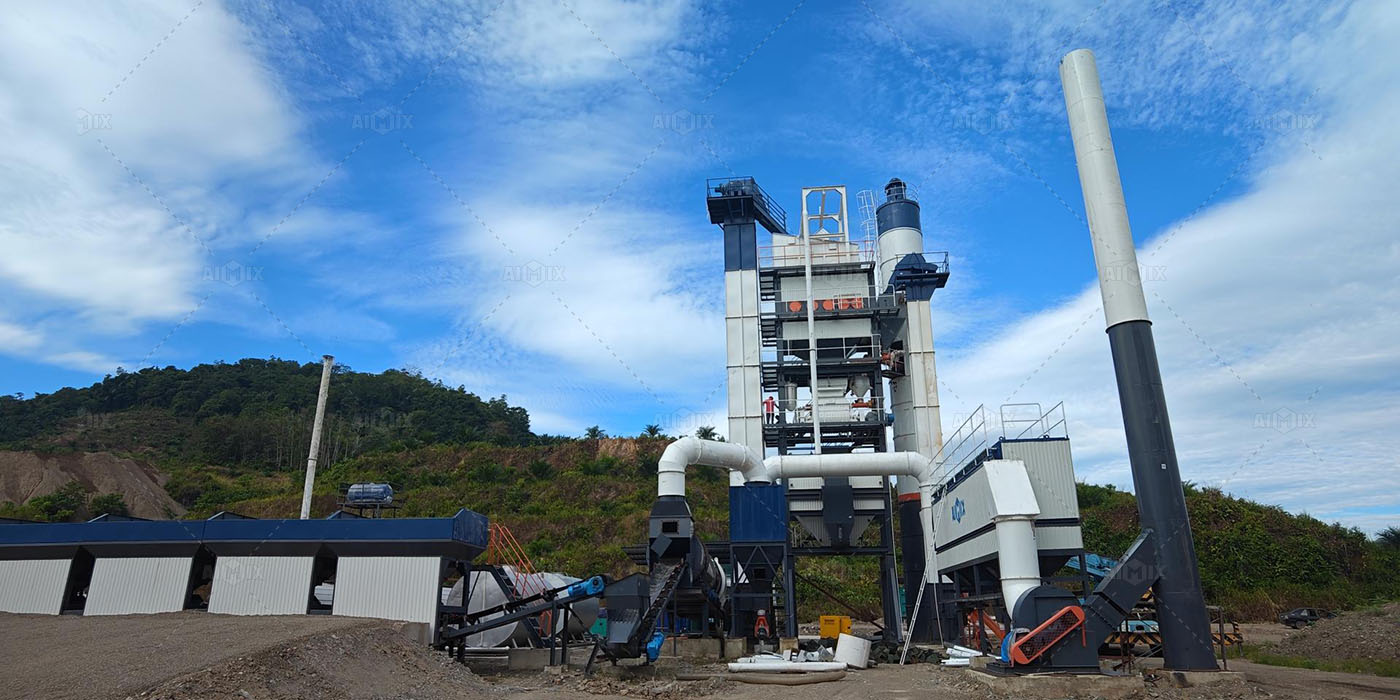
With the development of digital construction technologies, some advanced asphalt plants support remote monitoring and intelligent management functions.
These features allow managers to check production information without staying beside the equipment all the time. This improves management efficiency and helps companies respond faster to operational changes.
Furthermore, remote management is valuable for companies working in large regions where asphalt plants may serve different construction areas.
How To Choose The Right Automated Asphalt Plant Solution
Selecting the right automated asphalt plant requires careful consideration. Companies should not choose technology only because it looks advanced. Instead, they should select a solution that matches production requirements and business objectives.
A suitable asphalt plant should balance production capacity, quality requirements, investment plans, and future development needs.
Choose Based On Production Requirements
The first step is evaluating annual production demand. Companies producing over 200,000 tons need equipment that can maintain stable output while meeting strict quality standards.
Different projects require different asphalt mixtures. Therefore, production flexibility is also important.
For highway construction and large infrastructure projects, many companies prefer batch asphalt plants because they provide accurate weighing and mixing performance.
A professional asphalt mix plant supplier can help companies analyze project requirements and recommend suitable equipment configurations.
Consider Local Construction Conditions
Construction conditions vary significantly between different regions. Some projects are located near cities with convenient logistics, while others are located in remote areas with transportation challenges.
Therefore, companies should consider local factors such as raw material availability, maintenance support, fuel supply, and spare parts access.
A good automation system should improve efficiency while remaining practical for local operating conditions.
Evaluate Supplier Technical Support
Automation performance depends not only on equipment quality but also on installation, commissioning, and technical support.
A reliable supplier should provide complete services, including equipment selection guidance, installation assistance, operator training, spare parts support, and after-sales service.
This support helps companies maximize equipment performance and reduce possible operation problems.
The Relationship Between Automation And Asphalt Business Growth
For asphalt companies, automation is closely connected with long-term business development. As infrastructure projects become larger and quality requirements become stricter, traditional production methods face increasing pressure.
Companies that adopt intelligent production systems can improve operational efficiency and respond better to market competition.
Moreover, automation supports better resource planning. Managers can analyze production data, optimize workflows, and identify opportunities for improvement.
As a result, automation helps transform an asphalt plant from a simple production facility into a more intelligent construction material management system.
Future Trends Of Intelligent Asphalt Production
The asphalt industry is moving toward smarter, cleaner, and more efficient production methods. In the future, automation will continue developing with artificial intelligence, digital monitoring, and energy-saving technologies.
For example, advanced systems may provide more accurate production predictions, optimize fuel usage automatically, and support more efficient maintenance planning.
At the same time, environmental requirements are becoming stricter worldwide. Automated systems can help companies better control energy consumption and reduce unnecessary emissions.
Therefore, investing in automation today can help asphalt producers prepare for future market requirements.
Conclusion: Is Asphalt Plant Automation Worth The Investment?
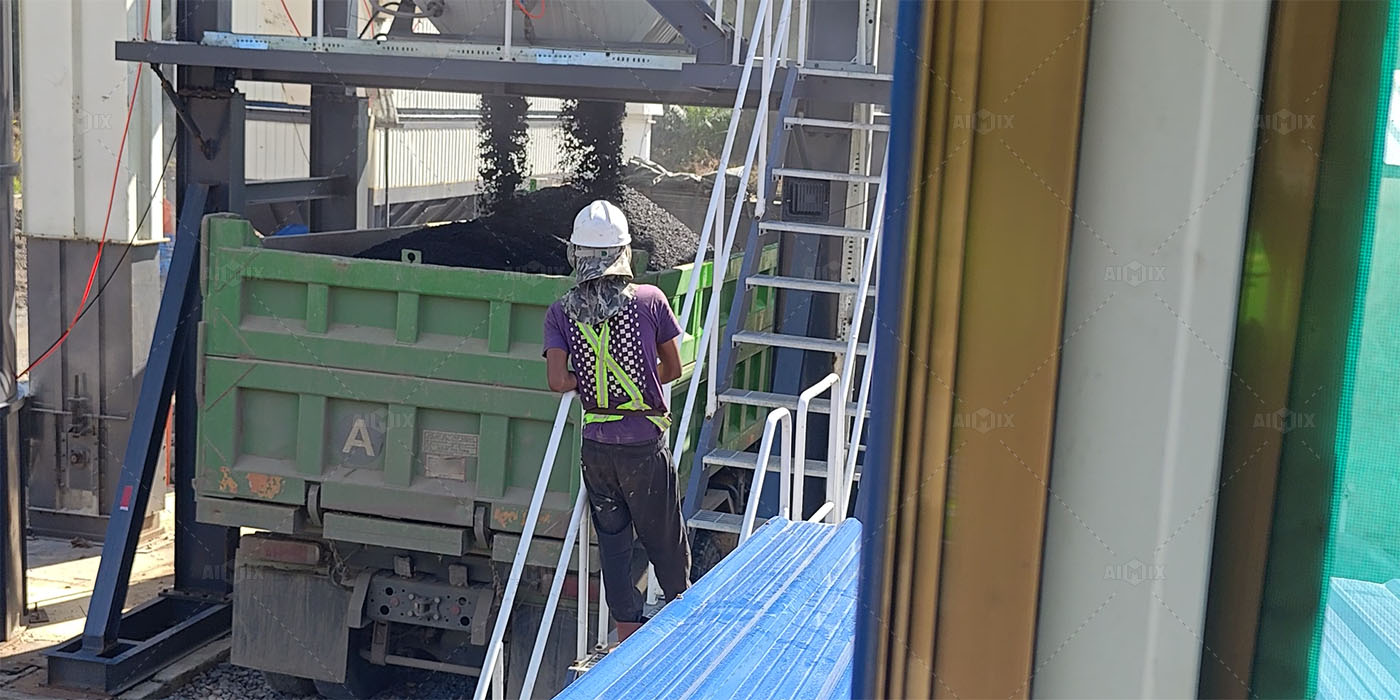
For companies producing more than 200,000 tons of asphalt annually, automation can provide clear business value. It improves production accuracy, reduces waste, strengthens quality consistency, and supports more efficient project management.
However, successful automation investment requires careful planning. Companies should evaluate production capacity, operating conditions, technology requirements, and long-term development goals.
The best solution is not always the most complex system. Instead, it is the system that creates measurable improvements for the company’s actual production needs.
As infrastructure construction continues growing worldwide, asphalt producers need reliable solutions to remain competitive. Automation provides an opportunity to improve efficiency while building a stronger foundation for future growth.
Take The Next Step Toward Smarter Asphalt Production
If your company produces over 200,000 tons of asphalt annually and wants to improve production efficiency, quality control, and operating performance, now is the right time to evaluate automation solutions.
A professional asphalt equipment partner can help analyze your production requirements, recommend suitable configurations, and develop a system that supports your long-term business goals.
Contact an experienced asphalt plant manufacturer today to explore how automation can help your company achieve more efficient and reliable asphalt production.