
Grinding mill manufacturers do more than supply individual grinding machines. For many mineral powder projects, the mill is only one part of a complete processing line that may include crushing, feeding, grinding, classification, powder collection, conveying, and electrical control systems. Selecting a manufacturer that can coordinate these components helps ensure that the grinding circuit matches the material, required capacity, target fineness, and site conditions.
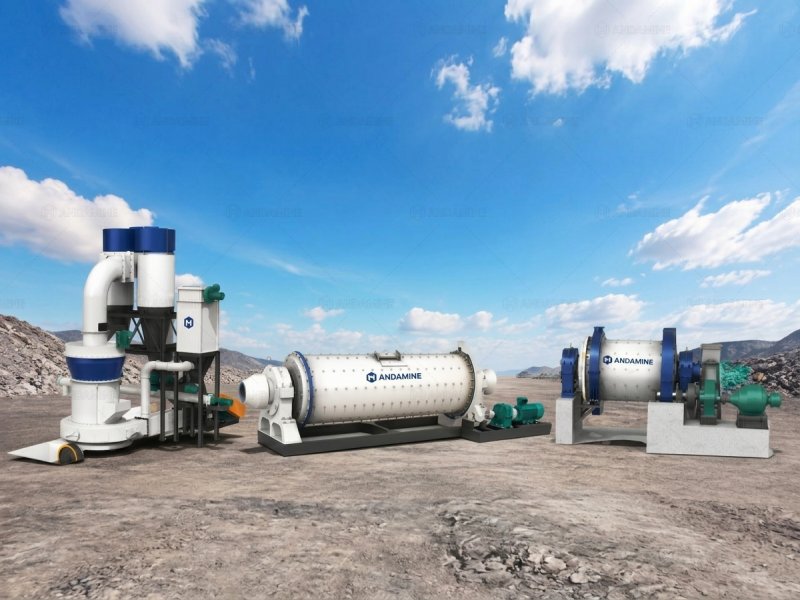
What Is Included in a Complete Grinding System?
A complete grinding system is designed around the entire material flow rather than the grinding mill alone. Depending on the application, the process may begin with raw material crushing and continue through feeding, grinding, classification, powder collection, and finished-powder discharge.
A typical mineral powder processing line may include:
- Crusher: Reduces oversized raw material to a suitable feed size for the grinding mill.
- Feeder: Controls the material flow into the grinding system.
- Grinding mill: Performs the main particle-size reduction.
- Classifier: Separates particles according to the required fineness in systems that use air classification.
- Powder collector: Separates finished powder from process airflow and helps control dust.
- Conveying equipment: Transfers raw material, intermediate material, and finished powder between process stages.
- Electrical control system: Coordinates equipment operation and allows operators to monitor key operating conditions.
The exact configuration depends on the raw material and finished product requirements. Not every project requires every component, and auxiliary equipment should be selected according to the actual process rather than added as a standard package.
Why Should the Grinding Mill Be Designed as Part of the Complete Plant?
The performance of a grinding mill depends on more than its rated capacity. Feed size, material hardness, moisture, abrasiveness, target fineness, and feeding stability can all affect actual production.
For example, if the crusher delivers material that is too coarse for the selected mill, additional preparation may be required. Similarly, a grinding mill may have sufficient nominal capacity but still fail to achieve the required finished-powder output if the classifier, blower, or powder collection system is not properly matched.
For this reason, grinding mill manufacturers should evaluate the complete process when proposing equipment. The objective is not simply to select a mill with a suitable TPH rating, but to coordinate the entire circuit around the required finished product.
Choosing the Right Grinding Mill for the Application
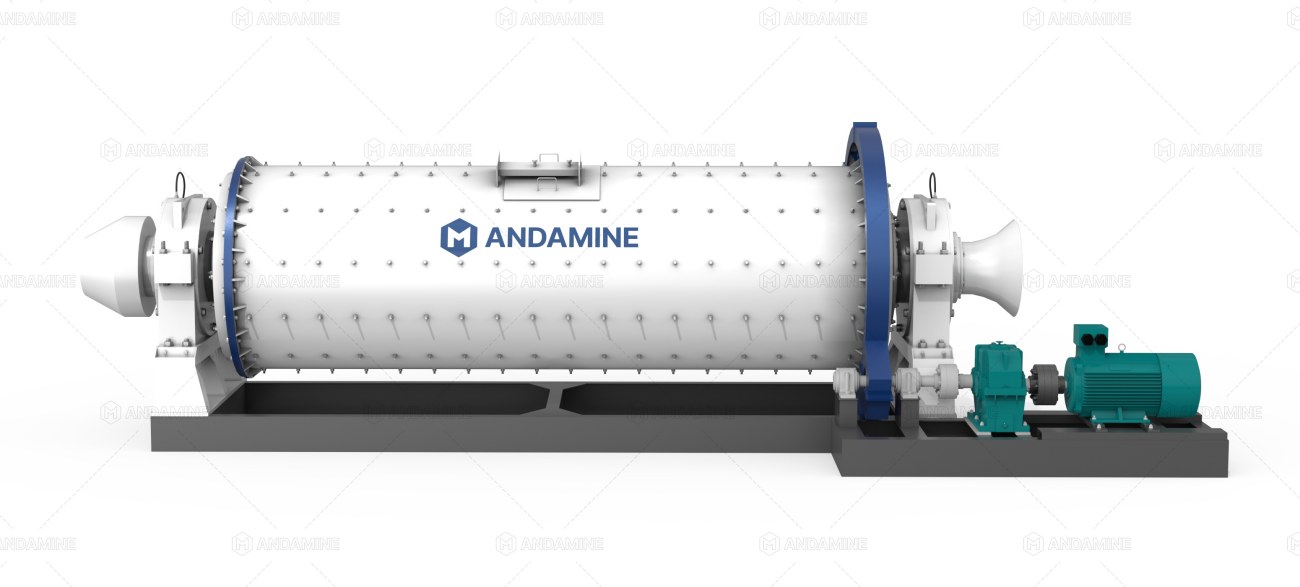
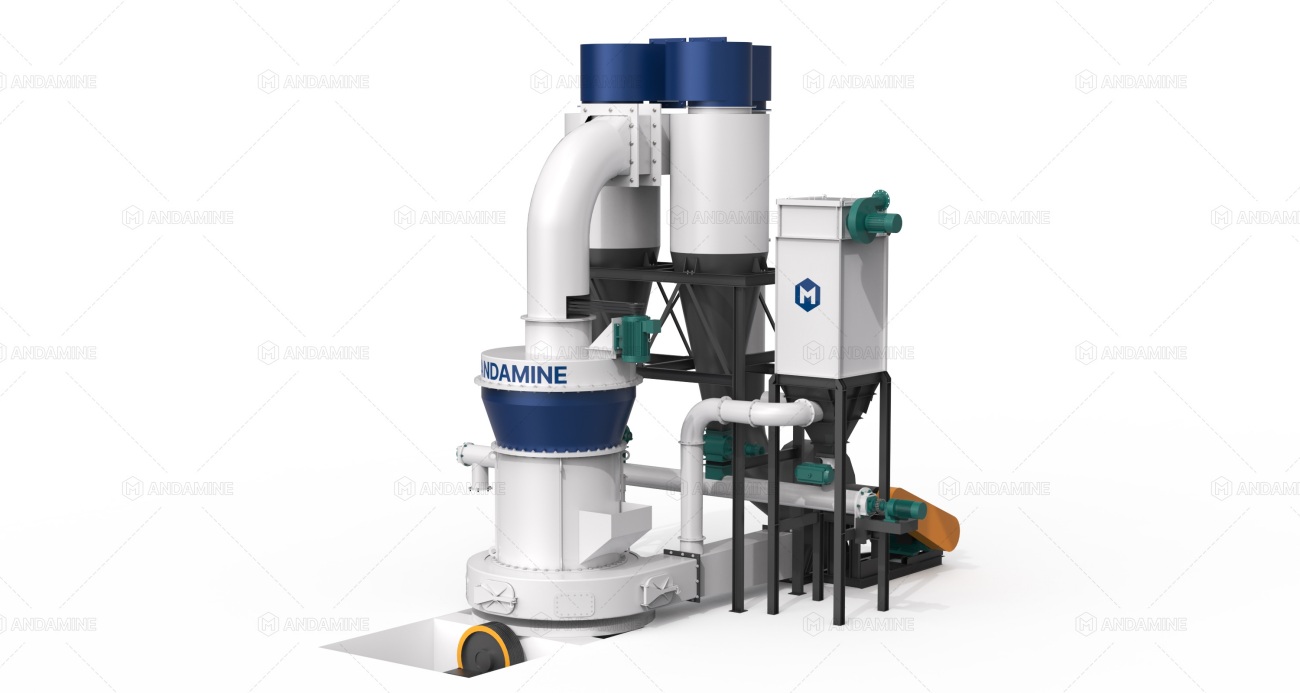
Different grinding technologies serve different processing requirements. A Raymond mill is commonly used for dry grinding of suitable minerals into controlled fine powder, while a ball mill can be configured for a broader range of grinding applications, including dry or wet processes.
When buyers search for a raymond mill for sale, the quoted machine should therefore be evaluated together with its intended material, capacity, feed size, target fineness, and auxiliary equipment. A standalone mill price does not necessarily represent the cost of a complete production line.
Likewise, a ball mill for sale may represent only the main grinding equipment. Depending on the process, the complete system may also require feeders, classifiers or separators, conveyors, dust collection, pumps, storage equipment, and other auxiliary units.
The right grinding technology should therefore be selected according to the process requirements rather than the equipment name alone.
From Individual Equipment to Integrated Powder Processing
Grinding mill manufacturers with complete engineering capabilities can integrate the individual machines into a coordinated production line. This involves determining the material flow, selecting equipment capacities, establishing connections between process stages, and designing the plant layout.
For example, a mineral powder line may follow this general sequence:
Raw Material → Crushing → Feeding → Grinding → Classification → Powder Collection → Finished Powder
Each stage should support the next one. An undersized feeder can restrict mill production, insufficient airflow can affect classification, and inadequate powder collection can limit the performance of the overall system.
Integration is particularly important when several product sizes or grades are required. The grinding and classification system may need to be configured so that the plant can maintain the required particle-size range while keeping production stable.
What Should Buyers Ask Grinding Mill Manufacturers?
Before requesting a quotation, buyers should provide enough technical information for the manufacturer to evaluate the complete grinding process. Useful information includes:
- Raw material type and physical properties
- Maximum and typical feed size
- Material moisture content
- Required finished powder fineness
- Required production capacity in tons per hour
- Required number of operating hours
- Available site conditions and power supply
- Required powder collection and environmental controls
For unfamiliar materials or demanding powder specifications, material testing can also help verify grinding performance before final equipment selection.
Comparing Complete Plant Quotations
When comparing proposals from different grinding mill manufacturers, the purchase price of the main mill should not be the only comparison point. Two quotations with similar mill capacities may cover very different equipment and services.
Check whether the quotation includes the feeder, crusher, classifier, blower, dust collector, conveyors, electrical controls, installation, commissioning, spare parts, and technical support. Also confirm the material and operating conditions used to calculate the quoted production capacity.
A complete-system comparison provides a clearer picture of the investment required to produce the specified powder at the required rate. It also reduces the risk of discovering missing auxiliary equipment after the main mill has been purchased.
Working With a Complete Grinding System Supplier
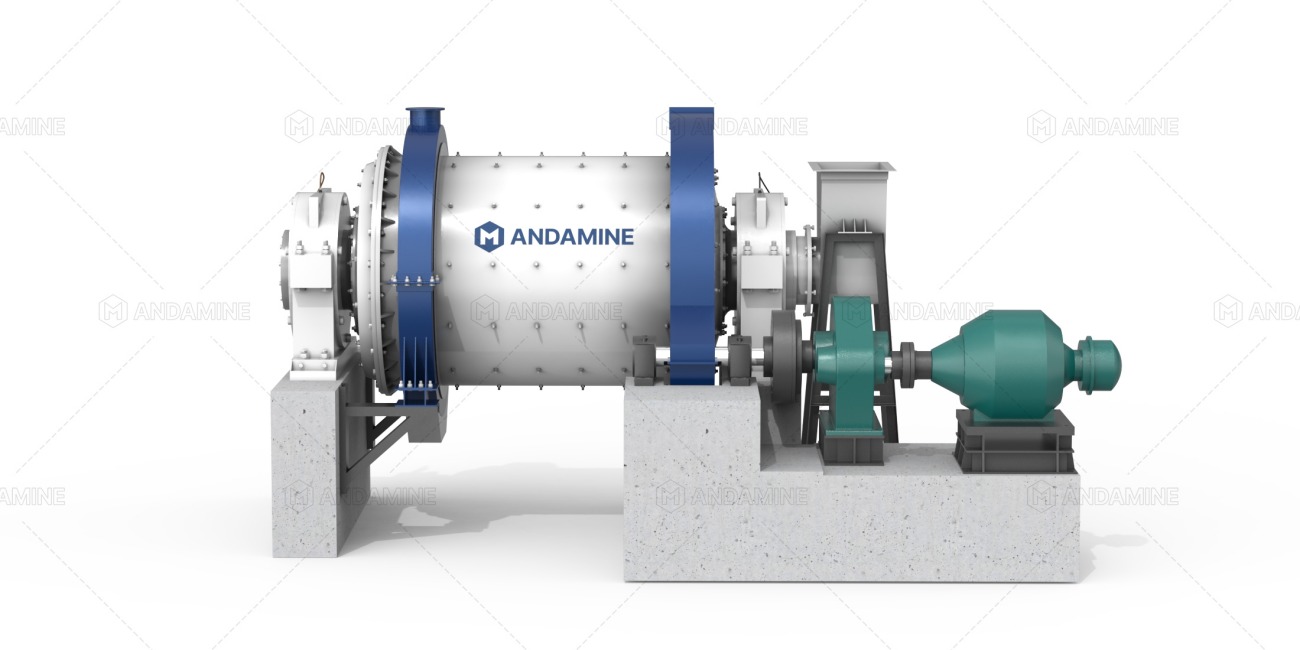
For mineral powder projects, the value of a grinding mill manufacturer extends beyond manufacturing the main machine. A complete supplier can help connect equipment selection with material preparation, grinding, classification, powder collection, plant layout, installation, and commissioning.
Andamine provides crushing, grinding, and mineral processing equipment solutions for different project requirements. For a complete grinding system, the equipment can be planned around the customer’s material characteristics, production target, powder specification, and site conditions rather than treating the grinding mill as an isolated machine.
Whether the requirement starts with a ball mill for sale, a raymond mill for sale, or a complete mineral powder processing plant, the key is to evaluate the equipment as part of the entire production circuit. Matching every stage to the final product requirement helps create a grinding system that is practical to operate and capable of maintaining the required production and powder quality.