
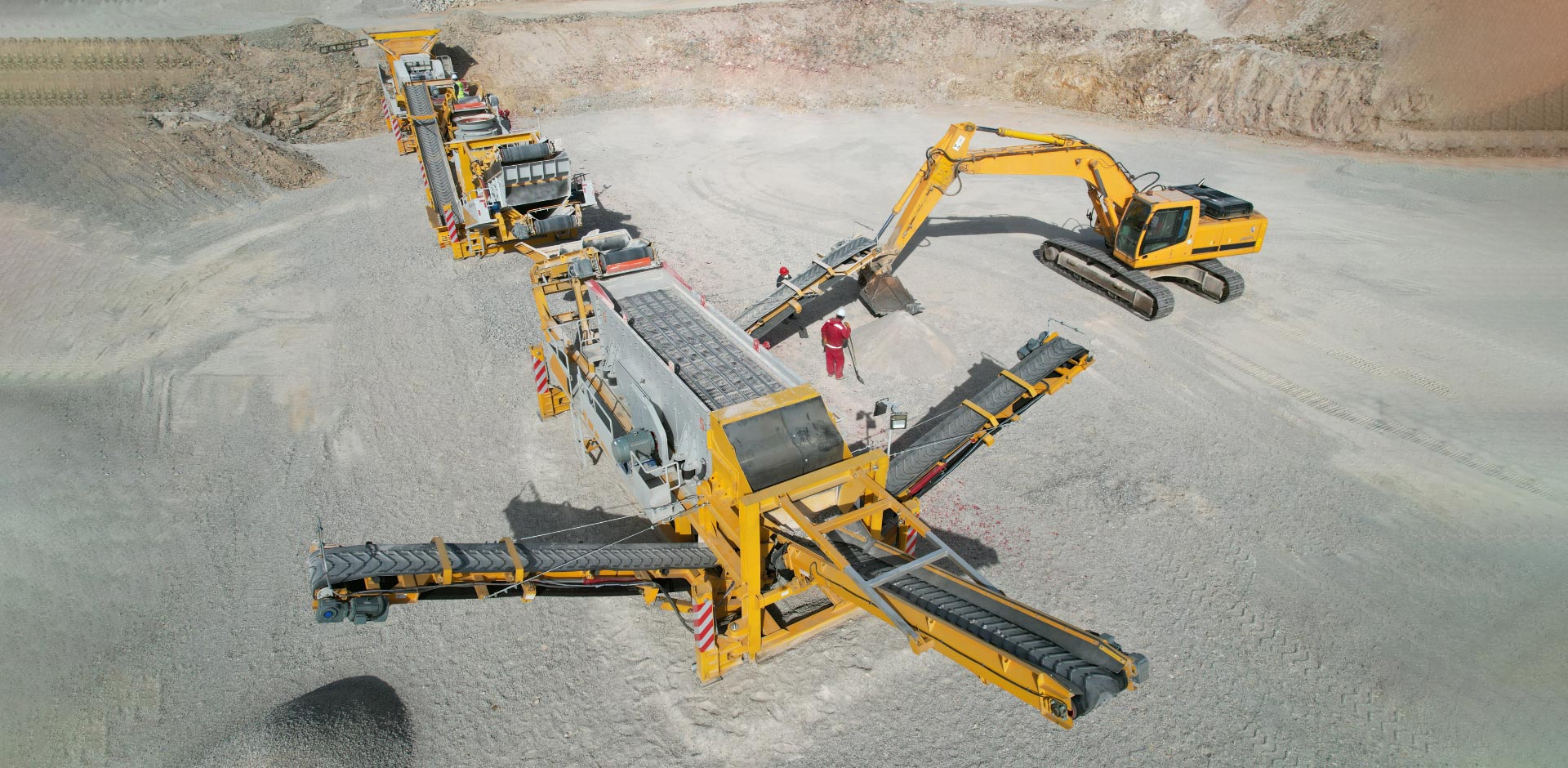
The construction and mining industries in Latin America are increasingly emphasizing sustainability and environmental responsibility. As infrastructure projects expand, contractors are seeking ways to reduce energy consumption and carbon emissions while maintaining high production efficiency. Low-carbon design in aggregate processing equipment, including crushers and portable stone crushers, is emerging as a key solution for environmentally conscious operations.
Understanding Low-Carbon Design in Aggregate Processing
Low-carbon design focuses on reducing the carbon footprint of equipment by improving energy efficiency, using renewable energy sources, and minimizing waste. In the context of aggregate processing, this involves both mechanical and operational innovations in equipment such as impact crushers, aggregate crusher plants(planta trituradora de agregados), and portable stone crushers.
Key Principles of Low-Carbon Equipment
- Energy-efficient motors and drives to reduce electricity consumption.
- Advanced automation for optimized material flow and reduced idle time.
- Lightweight and durable construction materials to lower energy requirements for transportation and operation.
- Emission control technologies to minimize environmental pollutants.
Why Latin America is Embracing Low-Carbon Technology
Latin American countries are increasingly adopting stricter environmental regulations and sustainability standards. Urban construction projects, mining operations, and road infrastructure development require equipment that not only meets production demands but also aligns with low-carbon goals. Contractors are motivated by potential cost savings on energy, compliance with regulations, and the growing demand for sustainable infrastructure solutions.
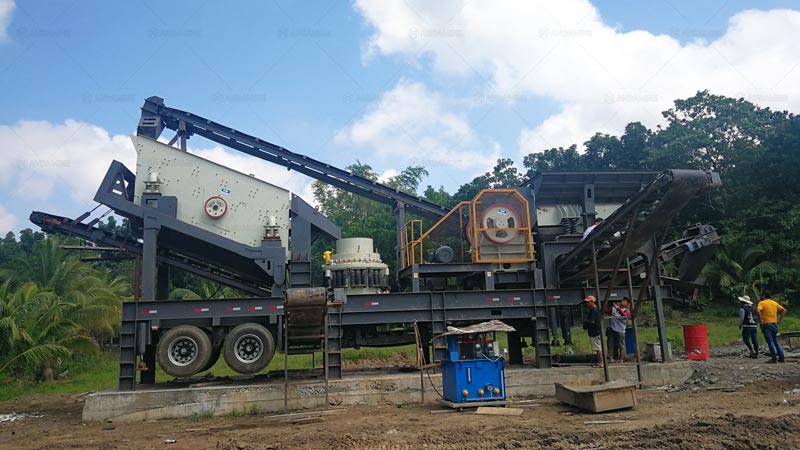
Low-Carbon Innovations in Aggregate Crusher Plants
Aggregate crusher plants are at the heart of construction material production. Implementing low-carbon technologies in these plants can significantly reduce energy consumption and operational costs.
Energy-Efficient Crushers
Modern impact crushers(Molinos de impacto modernos) are designed to consume less power while maintaining high crushing efficiency. By optimizing rotor speed, chamber design, and material feed mechanisms, manufacturers can achieve lower energy use per ton of processed material.
Portable Stone Crusher Solutions
Portable stone crushers are increasingly equipped with energy-saving technologies, allowing contractors to move between sites without excessive fuel consumption. These mobile solutions are especially valuable in remote areas of Peru and other Latin American countries where transportation costs and environmental regulations are critical considerations.
Integration with Renewable Energy
Some aggregate crusher plants are integrating solar panels or hybrid diesel-electric systems to power operations partially through renewable energy. This approach not only reduces greenhouse gas emissions but also enhances operational flexibility in regions with limited grid access.
Case Study: Stone Crusher Plant Peru
Peru has witnessed a rise in sustainable construction projects, driving the adoption of low-carbon equipment. For example, a stone crusher plant in Peru(plantas chancadoras de piedra Perú) implemented energy-efficient impact crushers and advanced automation controls. The result was a 20% reduction in energy consumption and improved material output consistency. This demonstrates how low-carbon technologies can provide both environmental and economic benefits in Latin American operations.
Operational Benefits
- Reduced energy consumption lowers operating costs.
- Less environmental impact enhances compliance with regulations.
- Improved reliability and reduced downtime through advanced automation.
Market Implications
With governments promoting sustainable infrastructure, contractors adopting low-carbon designs gain a competitive advantage. In markets like Peru, Chile, and Brazil, clients increasingly prefer suppliers who can demonstrate environmentally responsible practices while delivering high-quality aggregates.
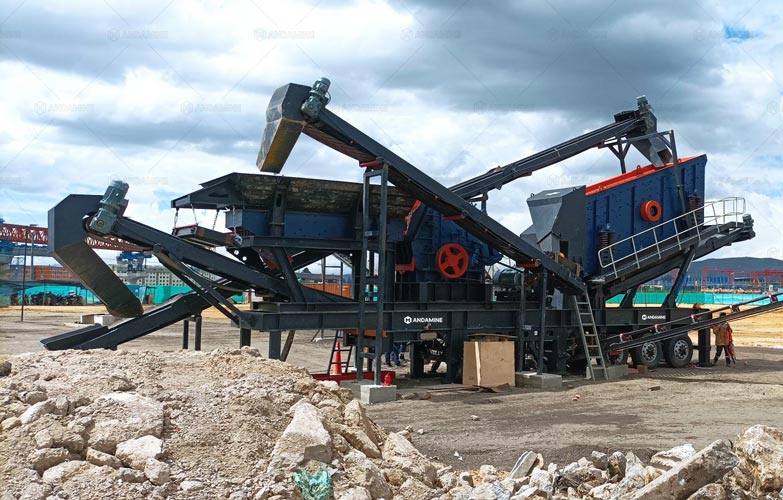
Future Trends in Low-Carbon Aggregate Equipment
The future of aggregate processing in Latin America is closely tied to sustainability trends. Key developments likely to shape the industry include:
Smart Automation and AI
Automation systems are evolving to use AI-driven optimization. By analyzing real-time data, crushers and aggregate plants can minimize energy use while maximizing throughput, further reducing carbon emissions.
Advanced Material Handling
New conveyor designs and lightweight construction materials reduce energy consumption in transporting aggregates within plants. This contributes significantly to the overall low-carbon footprint of the equipment.
Hybrid and Electric Solutions
Hybrid diesel-electric crushers and fully electric portable stone crushers(trituradoras de piedra portátiles totalmente eléctricas) are expected to see broader adoption. These solutions offer quieter operation, zero local emissions, and lower fuel costs, aligning with regional low-carbon objectives.
Conclusion
Low-carbon design in aggregate processing equipment is not just a trend but a necessity for sustainable infrastructure development in Latin America. From energy-efficient impact crushers to portable stone crushers and smart automation systems, these innovations enable contractors to meet production targets while reducing their environmental impact. As markets like Peru continue to prioritize sustainable construction, adopting low-carbon aggregate crusher plants will become a standard practice for competitive and responsible operators.