
Basement construction, foundation reinforcement, column repairs, and structural rehabilitation in existing Dubai buildings often require concrete to be delivered through restricted access points or into confined working areas. Unlike new-build projects with open equipment staging zones, repair sites may have low headroom, narrow service roads, occupied neighboring properties, and limited space for concrete delivery trucks. These conditions influence both equipment selection and the overall cost of pumping concrete.
A stationary concrete pump for sale can provide a practical solution when concrete must travel through pipelines to underground levels, internal structural sections, or locations beyond the reach of conventional discharge equipment. However, the purchase or rental cost of the pump is only one part of the budget. Contractors must also consider pipeline length, vertical delivery requirements, mobilization, labor, concrete mix compatibility, site preparation, and cleaning. Understanding these cost components helps building owners, repair contractors, and project managers compare equipment options and estimate the resources needed for safe, controlled concrete placement.
Why Existing Dubai Buildings Require Specialized Concrete Pumping
Restricted Access and Underground Placement
Many rehabilitation projects involve structures that were not designed to accommodate modern construction equipment during repair work. Basement entrances, parking ramps, service corridors, and narrow internal courtyards can limit the movement of concrete trucks and large pumping vehicles. In some cases, concrete must be conveyed through a pipeline extending from an accessible ground-level position to an underground repair zone.
These constraints make a stationary pumping arrangement worth considering. The pump can remain in a suitable operating position while the delivery pipeline follows a planned route to the placement point. Contractors must still verify available space, pipeline support, pumping pressure, and the feasibility of moving concrete through the proposed route.
Working Around Existing Structural Elements
Structural repair work often involves reinforced columns, beams, retaining walls, foundation sections, and localized slab replacements. Reinforcement congestion can make direct concrete discharge impractical, while occupied buildings may require strict controls over noise, access, dust, and working hours.
When selecting a concrete pump in Dubai, contractors should assess the actual repair geometry, required concrete volume, placement distance, and permitted working window. These factors determine whether a stationary pump, boom pump, or another delivery arrangement is suitable.
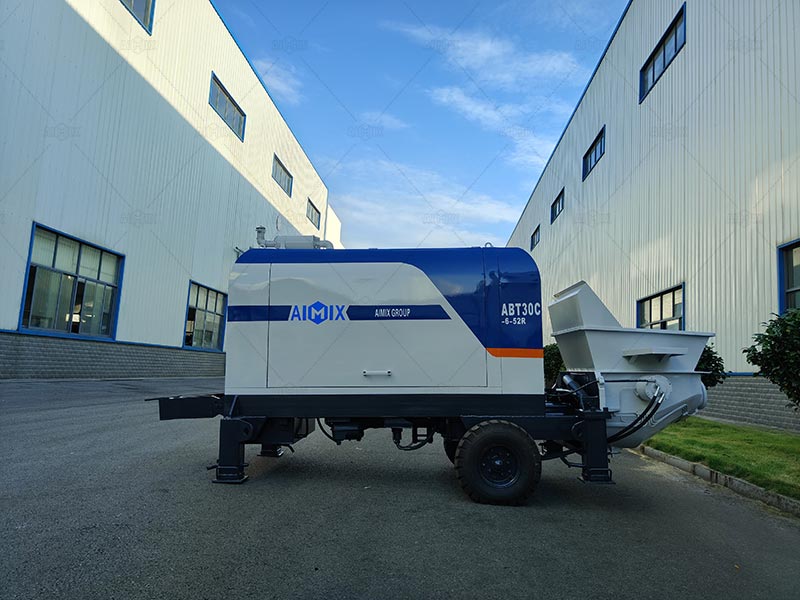
What Determines Stationary Concrete Pump Cost in Dubai?
Pump Capacity and Required Pumping Pressure
Pump capacity is an important cost consideration, but the highest-rated machine is not necessarily the most economical choice for a repair project. A small foundation repair may require only intermittent pumping, whereas a large basement slab replacement could demand a sustained concrete supply over several hours.
Contractors should evaluate required output, aggregate size, concrete workability, horizontal pipeline length, vertical elevation, and the pressure needed to deliver the mix. Actual output will depend on the pumping configuration and operating conditions, rather than the rated capacity alone.
A machine that is poorly matched to the application can increase rental time, create delivery bottlenecks, or require additional equipment. Correct sizing helps avoid paying for unnecessary capacity without compromising placement requirements.
Rental Duration and Mobilization Charges
Stationary pump rental quotations may cover a defined shift, a daily period, or a longer contract. The pricing structure varies by supplier and project arrangement. Mobilization, delivery, setup, operator services, and demobilization may be included or charged separately.
In Dubai, contractors should clarify whether the quoted amount includes pipeline installation, accessories, standby time, overtime, and cleaning. A low headline rental rate may not represent the lowest overall cost if several ancillary charges are excluded.
For longer rehabilitation projects, comparing the expected total rental period is more useful than comparing the daily rate alone.
Choosing Between Stationary, Boom, and Mobile Concrete Pumps
When a Stationary Pump Is Suitable
A stationary pump is often worth evaluating when concrete needs to travel through a fixed pipeline into a basement, through a building opening, or around structural obstructions. It can also be useful where a truck-mounted boom cannot be positioned safely or reach the intended placement area.
For a concrete pump for sale in Dubai, the quotation should specify the pump configuration, delivery pressure, expected output, pipeline requirements, and any restrictions associated with the proposed mix. Contractors should also confirm how the pipeline will be routed and secured.
When a Boom Pump May Be More Practical
A concrete boom pump in Dubai can be suitable for repair projects where the equipment can be positioned outside the building and the boom can reach the required pouring location. It may reduce the need for extensive ground-level pipeline installation and repositioning.
However, boom pumps require adequate setup space, stable ground, sufficient overhead clearance, and a safe operating envelope. Existing buildings, adjacent structures, and restricted access may prevent their use.
A mobile concrete pump may be preferable for projects that require the pumping unit to be transported between multiple accessible locations. The appropriate choice depends on whether mobility, pipeline routing, boom reach, or confined-space access is the dominant requirement.
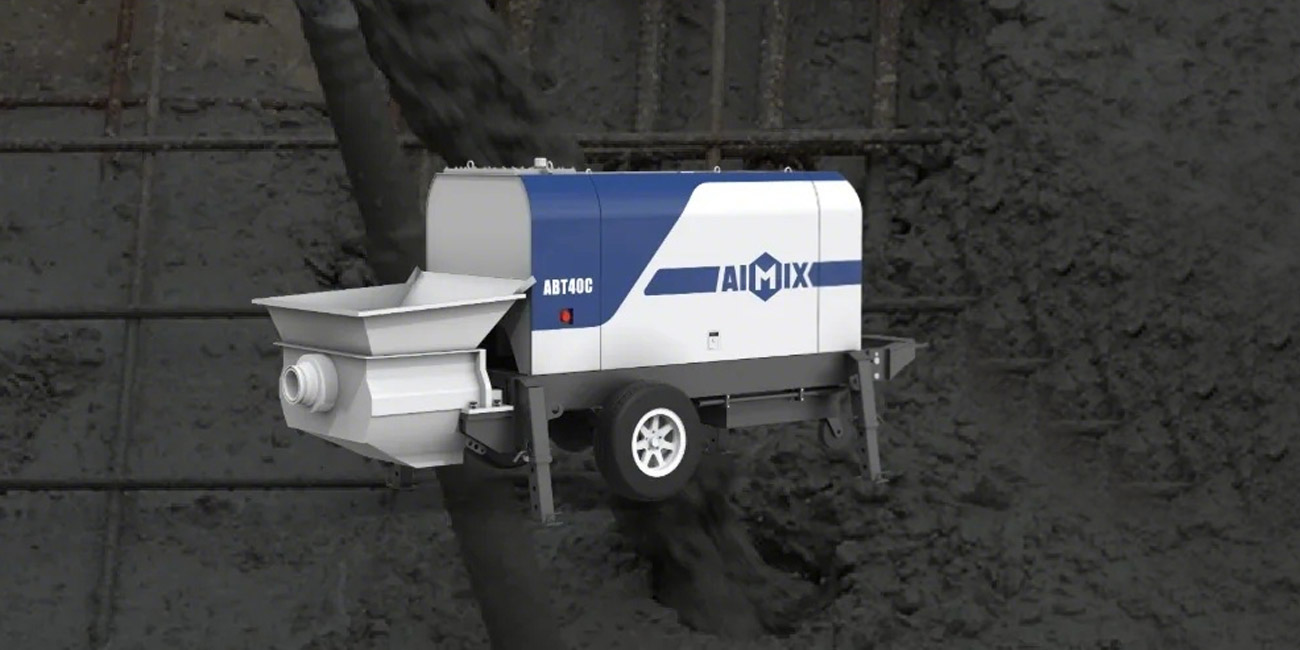
Additional Costs Beyond the Pump Rental
Pipeline Installation and Site Preparation
Pipeline requirements can materially affect the final pumping budget. Longer delivery routes, vertical risers, multiple bends, reducers, and difficult access points may increase installation time and the quantity of accessories required.
Before work begins, contractors should assess the proposed route and determine where pipeline supports, protective barriers, and access controls are necessary. Existing building services and structural elements must also be considered to prevent clashes or damage.
Labor, Concrete Supply, and Cleaning
The pump is only one part of the operation. Costs may include the pump operator, pipeline crew, concrete placing team, standby personnel, and cleaning arrangements. Concrete supply and transportation should be estimated separately unless the contractor’s quotation explicitly combines these services.
Concrete mix design also matters. Pumpable concrete must meet the project’s engineering specifications while remaining suitable for the selected mobile concrete pump and pipeline. Mix adjustments should be approved by the responsible technical team rather than made solely to simplify pumping.
Cleaning is particularly important in basement work, where washout access and wastewater handling may be restricted. Contractors should establish an appropriate cleaning location and procedure before pumping starts.
Estimating Costs for Common Structural Repair Applications
Basement Slab and Foundation Repairs
Basement slab replacement and foundation strengthening may involve substantial concrete volumes but limited access. Cost estimates should account for pipeline distance, underground delivery, concrete placement sequence, reinforcement congestion, and the available working window.
Small repairs may require a minimum rental charge even when the actual pumping time is short. Larger pours may justify a longer booking, provided that concrete deliveries and placing crews can maintain a steady workflow.
Column, Beam, and Retaining Wall Repairs
Localized structural repairs may use relatively little concrete but demand careful placement around dense reinforcement or within narrow formwork. In these situations, setup and access can account for a significant proportion of total pumping costs.
A mobile concrete pump in Dubai may be appropriate when the repair location is accessible and the equipment needs to serve several separate work areas. For deeper or more obstructed locations, a stationary pump with a planned pipeline route may provide better operational flexibility.
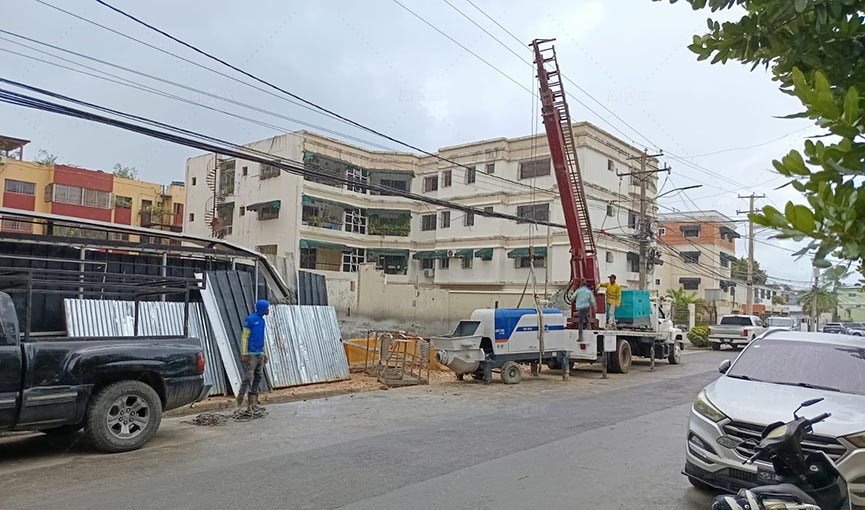
How Contractors Can Control Pumping Costs
Plan the Pipeline Route Before Booking
Measure the approximate horizontal and vertical delivery distances, identify access restrictions, and determine where the line concrete pump can be positioned. Provide the supplier with photographs, site drawings, and details of the repair area wherever possible.
This preparation helps the supplier recommend a suitable pump and identify additional pipeline requirements before equipment arrives.
Coordinate Pumping with Concrete Delivery
Idle time can increase costs when the pump, operator, or placing crew remains on site without a continuous supply of concrete. Contractors should coordinate batching, truck dispatch, site access, and placement labor so that the pumping operation follows the planned sequence.
They should also establish a contingency plan for concrete delivery interruptions and equipment problems, particularly when working with a restricted placement window.
What to Confirm Before Requesting a Pumping Quote
Before comparing quotations, contractors should provide:
– The repair type and estimated concrete volume.
– Required pumping output and placement duration.
– Horizontal pipeline distance and vertical elevation.
– Concrete mix details, including aggregate size and workability requirements.
– Basement access dimensions and pump setup restrictions.
– The required rental period and expected working hours.
– Confirmation of included services, pipeline accessories, mobilization, cleaning, and overtime charges.
A clear scope allows suppliers to quote on comparable terms and reduces the likelihood of unexpected costs during execution.
Conclusion
Stationary concrete pump cost for basement and structural repair work in existing Dubai buildings depends on more than the equipment rental rate. Pump capacity, pumping pressure, pipeline layout, access restrictions, rental duration, labor, concrete supply, and cleaning arrangements all influence the total expenditure.
Contractors can make more reliable cost comparisons by defining the repair requirements, confirming the delivery route, and obtaining itemized quotations. The objective is to select equipment that meets the project’s placement requirements while minimizing avoidable setup time, standby charges, and operational disruption.