
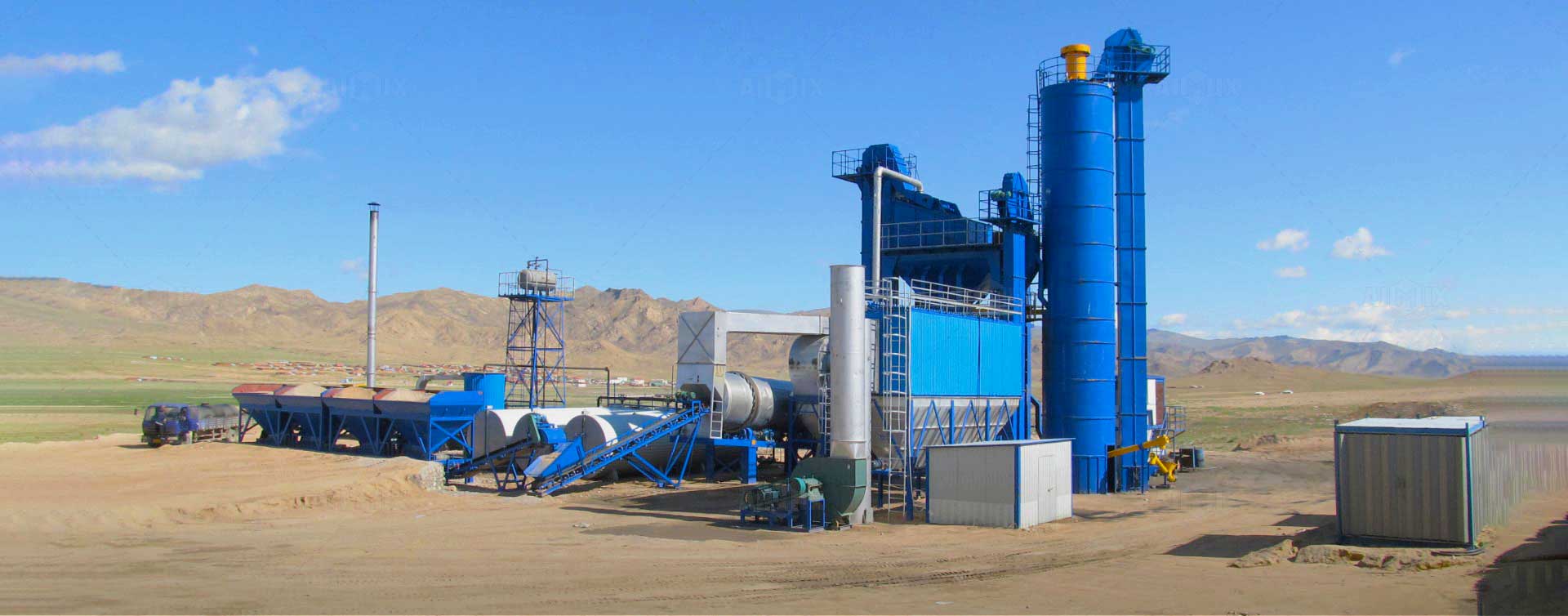
In the modern construction industry, efficiency is a critical factor in determining the success of any project, especially when it comes to asphalt plants. Automation and digital control systems have revolutionized the way asphalt plants operate, significantly improving production rates, quality control, and overall efficiency. In this article, we will explore how these technologies contribute to the enhanced performance of asphalt plants, benefiting both contractors and the broader construction industry. To learn more about the best asphalt plant, visit our detailed guide.
Understanding Automation in Asphalt Plants
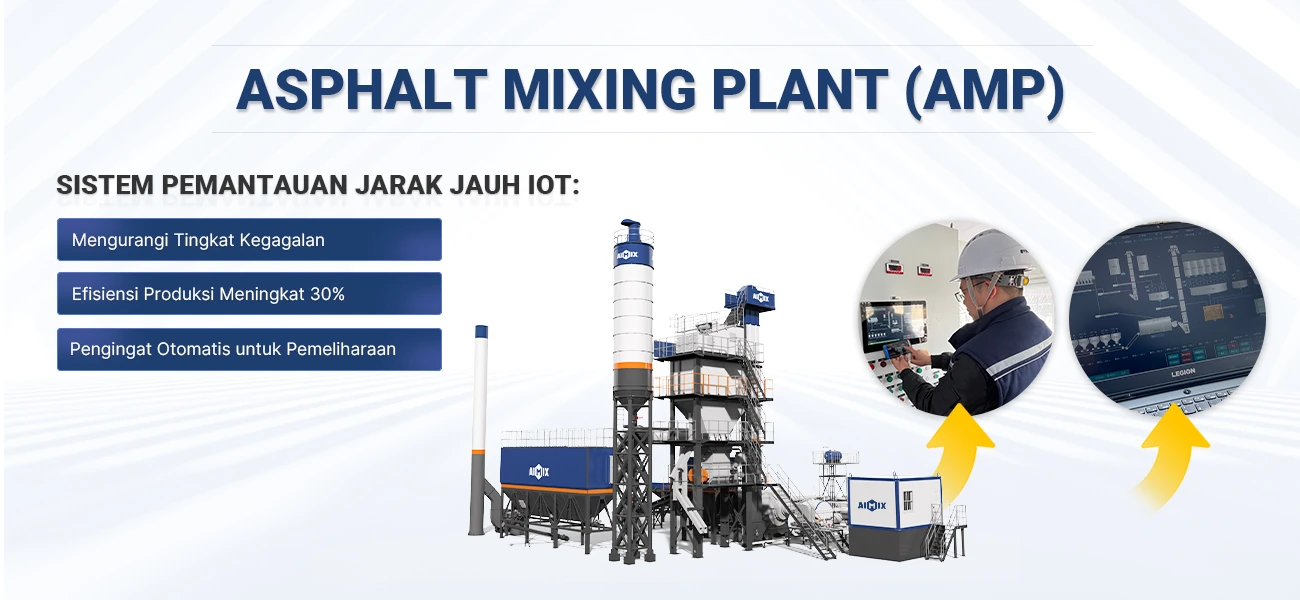
Automation in asphalt plants involves the use of advanced systems to control various stages of the production process. From the mixing of raw materials to the final output, automation allows for a more streamlined operation. It reduces the need for manual intervention, minimizes human error, and speeds up processes, leading to greater overall efficiency.
One of the most notable benefits of automation is the reduction in labor costs. With automated systems handling most of the operations, workers are no longer required to perform repetitive and time-consuming tasks. This not only reduces the risk of accidents but also helps businesses save on labor expenses. For those interested in a central hot mix plant, our offerings provide unmatched efficiency.
Key Automation Features in Asphalt Plants
Modern asphalt plants come equipped with various automation features that are designed to optimize production. These include:
- Automated Mixing Controls: Automated systems control the exact amount of each material that goes into the mix, ensuring consistent quality.
- Real-Time Monitoring: Sensors and cameras integrated into the plant allow operators to monitor operations remotely, making adjustments in real time.
- Batching and Production Scheduling: Automation streamlines batching processes and schedules production to maximize output during peak demand times.
The Role of Digital Control Systems
While automation handles the mechanical side of operations, digital control systems focus on the management and monitoring of processes. These systems use sophisticated software to collect data from various points in the plant, analyze it, and provide feedback that can be used to optimize performance. In doing so, they make it easier for plant operators to ensure smooth and uninterrupted production.
Benefits of Digital Control Systems
Digital control systems offer a range of benefits to asphalt plant operators. Some of the key advantages include:
- Enhanced Precision: Digital systems ensure that all parameters such as temperature, material quantities, and mixing time are precisely controlled, leading to high-quality asphalt.
- Data-Driven Insights: With the ability to track plant performance over time, digital systems provide valuable insights that help optimize the production process and identify areas for improvement.
- Remote Control: Operators can control and adjust plant settings from remote locations, making it possible to manage operations even when on-site presence is minimal.
How Automation and Digital Control Systems Improve Efficiency
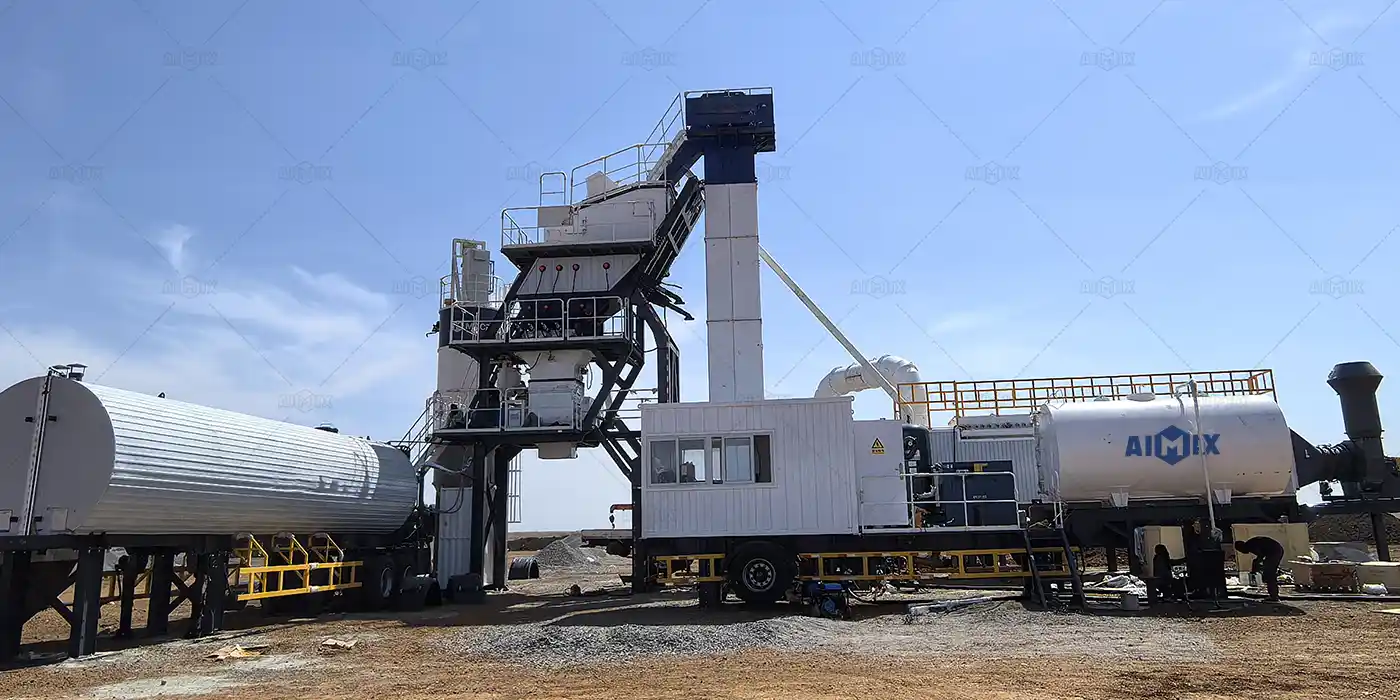
The integration of automation and digital control systems in asphalt plants offers numerous ways to improve overall efficiency. Let’s take a closer look at some of the key areas of improvement.
1. Increased Production Speed
One of the most immediate impacts of automation is the significant boost in production speed. Automated systems can continuously operate at optimal speeds without the need for breaks or downtime. This leads to higher output, enabling plants to meet tight deadlines and large-scale project demands. To learn more about the cost of asphalt plants and how automation can affect pricing, check out our cost guide.
2. Consistency in Quality
Automated and digital systems eliminate many of the variables that can affect the quality of asphalt. By accurately measuring and mixing the right proportions of materials and controlling temperatures in real time, these systems ensure that each batch meets the desired quality standards. This reduces the likelihood of defects and increases the overall reliability of the asphalt produced.
3. Reduced Human Error
Human error is one of the most common causes of inefficiency in asphalt plants. Whether it’s incorrect material handling or improper machine operation, mistakes can lead to wasted resources, delays, and rework. Automation minimizes these risks by handling most of the operational tasks, leaving little room for error.
4. Energy Efficiency
Digital control systems can optimize energy consumption by adjusting operations based on real-time data. For example, the system can reduce energy use during off-peak times or adjust temperatures to lower fuel consumption without sacrificing product quality. This not only saves costs but also helps asphalt plants reduce their environmental footprint.
Cost Savings and ROI
While the initial investment in automation and digital control systems may seem high, the long-term savings and return on investment (ROI) are significant. The reduction in labor costs, the improved quality of asphalt, and the ability to produce more at a faster rate all contribute to enhanced profitability. Furthermore, digital systems help optimize material usage, reducing waste and improving the cost-effectiveness of production.
Predictive Maintenance
Another critical benefit of digital control systems is predictive maintenance. By constantly monitoring equipment performance and identifying potential issues before they become problems, digital systems help prevent unexpected downtime. This proactive approach to maintenance saves both time and money and extends the lifespan of the equipment.
Real-World Applications of Automation and Digital Control Systems
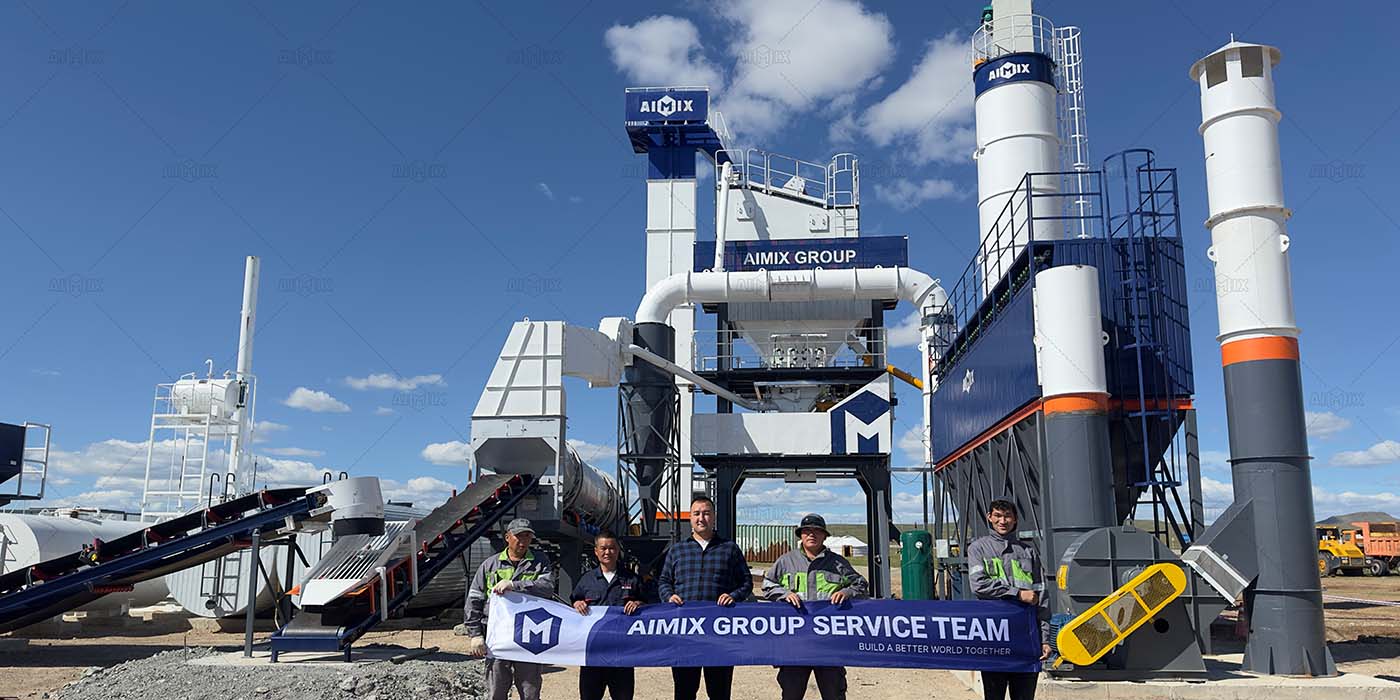
Across the globe, asphalt plants are adopting automation and digital control systems to stay competitive. From large-scale government infrastructure projects to smaller local road construction, these technologies help plants achieve the efficiency required to meet project demands. Here are a few examples:
- Government Infrastructure Projects: For large, high-demand projects, the use of automated asphalt plants ensures timely delivery of high-quality asphalt at a competitive price.
- Private Contractors: Smaller contractors benefit from the cost savings associated with automated plants, allowing them to complete projects more efficiently and at a lower cost.
- Emergency Road Repairs: In cases where time is critical, the speed and consistency of automated systems ensure that the necessary asphalt is produced quickly and efficiently.
Conclusion: Embrace the Future of Asphalt Plant Efficiency
As the construction industry continues to evolve, the demand for efficient and cost-effective asphalt plants will only grow. Automation and digital control systems play a pivotal role in meeting these demands by improving production speed, quality, and overall plant performance. By embracing these technologies, asphalt plants can remain competitive, reduce costs, and increase their profitability. If you’re looking to take your asphalt production to the next level, consider integrating automation and digital control systems into your operations today.
For more information on how automation and digital control systems can enhance the efficiency of your asphalt plant, feel free to contact asphalt equipment manufacturers. Our team of experts is here to guide you in making the best choices for your business.