
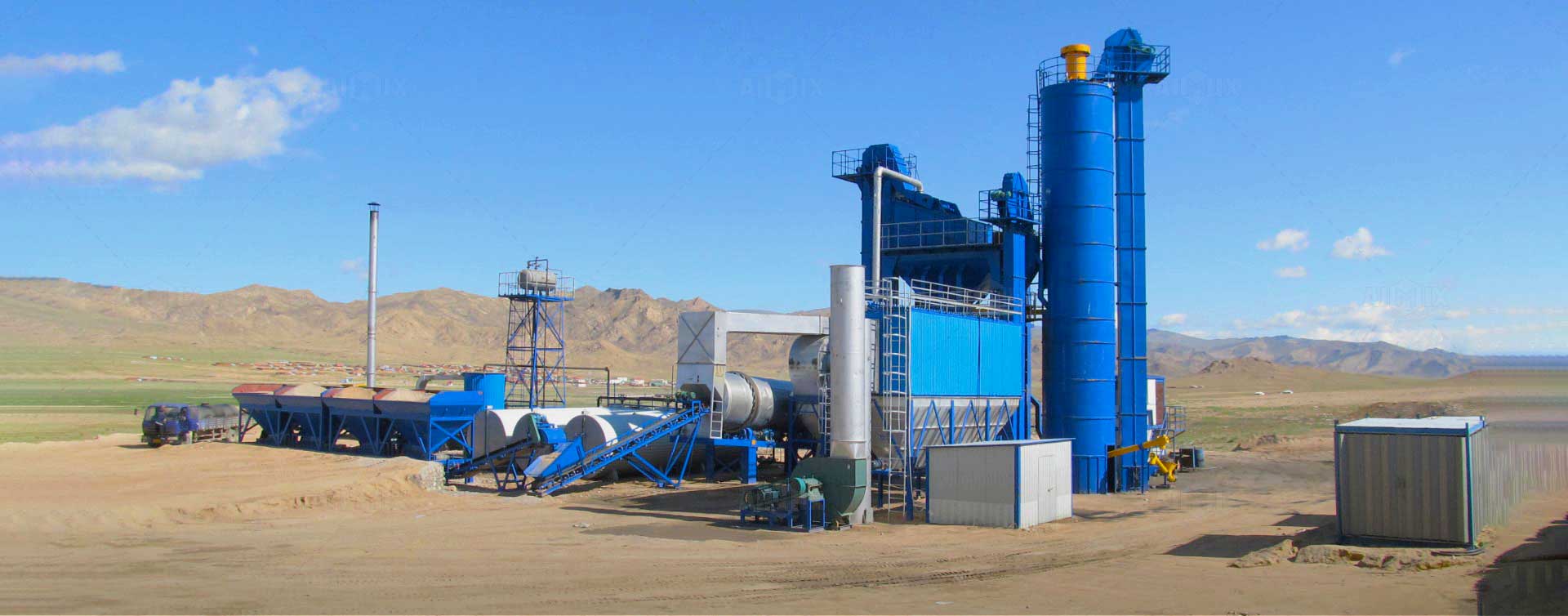
When planning a 30 km secondary road in Peru, contractors face a range of challenges, from terrain constraints to local material availability. Choosing the right asphalt plant is critical to ensure timely delivery, consistent quality, and cost efficiency. Among many options, the asphalt plant mobile often comes under consideration. But can it truly meet the requirements for such a road project? This article explores the capabilities, practical applications, and advantages of 80 TPH mobile asphalt plants in real-world Peruvian road construction.
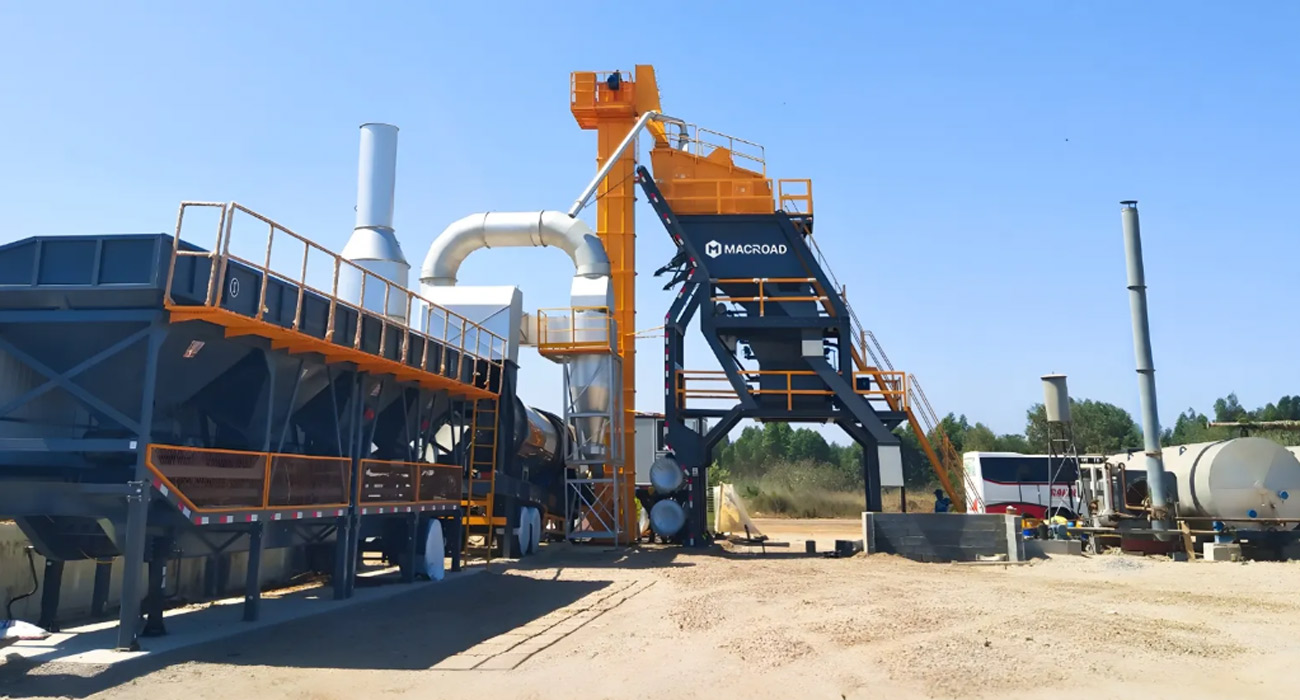
Understanding 80 TPH Mobile Asphalt Plants
Before evaluating whether an 80 TPH asphalt plant can handle a 30 km secondary road, it is essential to understand what these plants offer. “TPH” stands for tons per hour, indicating the production capacity. An 80 TPH plant can produce approximately 80 tons of hot mix asphalt per hour under optimal conditions. Its mobile design allows for rapid relocation across job sites, reducing setup time and foundation requirements. Many contractors refer to it as a reliable bitumen production plant that suits projects with limited infrastructure.
Mobile asphalt plants are particularly suitable for projects in remote or uneven terrain, which is common in many parts of Peru. Unlike stationary plants, these units come as modular systems, allowing contractors to dismantle, transport, and reinstall them with minimal effort.
Key Components of an 80 TPH Mobile Asphalt Plant
- Cold Aggregate Feeder: Ensures continuous supply of aggregates with adjustable feeding rates for different asphalt recipes.
- Drying Drum: Dries aggregates efficiently, accommodating variations in moisture content common in Peruvian highlands.
- Bitumen Supply System: Maintains consistent temperature and flow, critical for high-quality asphalt mix.
- Mixing Tower: Integrates aggregate and bitumen to produce a uniform hot mix.
- Control System: Automated control improves accuracy, reduces human error, and allows operators to adjust production on the fly.
Understanding these components helps contractors anticipate operational efficiency, maintenance requirements, and production consistency, which directly affect road quality and project timelines.

Assessing Asphalt Volume Requirements for a 30 km Secondary Road
To determine if an 80 TPH mobile asphalt plant is adequate, contractors need to calculate the total asphalt required. Assume the road is 7 meters wide and 5 cm thick, which is typical for secondary roads in Peru. The calculation is as follows:
Road Volume (m³) = Length (m) × Width (m) × Thickness (m)
30,000 m × 7 m × 0.05 m = 10,500 m³ of asphalt
Next, converting cubic meters to tons (considering typical asphalt density of 2.4 t/m³):
10,500 m³ × 2.4 t/m³ ≈ 25,200 tons of asphalt
With an 80 TPH plant operating for 8 hours per day:
80 t/h × 8 h/day = 640 tons/day
Thus, the project would require approximately 25,200 ÷ 640 ≈ 39.4 days of production. Accounting for potential downtime, weather delays, or maintenance, a realistic timeline may extend to 45–50 days. This calculation shows that an 80 TPH mobile plant can deliver sufficient asphalt for a 30 km secondary road without overstressing equipment or workforce. Contractors seeking a portable asphalt plant for sale can also use this model for flexible production.

Advantages of Using an 80 TPH Mobile Asphalt Plant in Peru
There are several practical benefits that make the 80 TPH mobile asphalt plant an attractive choice for road contractors in Peru:
1. Mobility and Flexibility
Peruvian secondary roads often traverse mountainous or uneven terrain. A mobile plant allows contractors to relocate production close to paving sections. This reduces transport distance, minimizes asphalt cooling during transit, and ensures consistent mix quality at every segment of the road. For those searching for a hot mix plant near me, mobility ensures accessibility even in remote locations.
2. Cost Efficiency
By producing asphalt onsite, transportation costs decrease significantly. For a 30 km project, moving hot mix from a stationary plant could cost thousands of dollars and risk mix cooling. An 80 TPH mobile plant reduces the need for expensive hauling trucks while maintaining timely delivery.
3. Quick Setup and Reduced Infrastructure Needs
Mobile asphalt plants require minimal foundation work. Contractors can start production within a few days of arrival on-site. This feature is particularly valuable for projects in remote areas where constructing permanent plant foundations is impractical.
4. Consistent Quality Control
Modern 80 TPH mobile plants come equipped with automated control systems. They maintain consistent aggregate grading, precise bitumen dosing, and accurate temperature control. This ensures every ton of asphalt meets the engineering specifications of Peruvian road authorities.
5. Adaptability to Local Materials
Mobile plants can handle a range of aggregate types, including those sourced locally from riverbeds, quarries, or recycled asphalt. This adaptability ensures that contractors can make use of locally available materials without compromising the mix quality.

Challenges and Considerations for 80 TPH Plants
While 80 TPH mobile asphalt plants are versatile, contractors should consider a few challenges before committing to their use:
1. Weather Sensitivity
Peru experiences heavy rainfall in certain regions. Rain can slow production and asphalt paving. Contractors must schedule production around weather forecasts and consider temporary coverings or protective measures for plant operations.
2. Operator Expertise
Despite automation, skilled operators are essential. Proper calibration, maintenance, and mix adjustments require technical know-how. Training and experience are key to maximizing production efficiency and reducing errors.
3. Supply Chain Coordination
Continuous production requires reliable supply of aggregates, bitumen, and fuel. Contractors should plan logistics carefully to avoid downtime. Using local suppliers reduces transportation cost and ensures steady material flow.

Comparison With Larger or Stationary Plants
Some contractors consider stationary plants with higher capacities, such as 120–160 TPH units, for large road projects. However, for a 30 km secondary road, the 80 TPH mobile plant offers distinct advantages:
- Reduced Transport Costs: Mobile plant near the construction site lowers hauling costs.
- Faster Deployment: Quick installation and dismantling save time compared to constructing a stationary plant.
- Scalability: Production can adjust to daily paving requirements without overproduction.
Overall, while larger stationary plants may offer higher hourly output, they often require more infrastructure, higher transport costs, and are less flexible in remote or challenging terrains.
Case Study: Secondary Road Construction in Peru
A mid-sized contractor in the Cusco region recently completed a 28 km secondary road using an 80 TPH mobile asphalt plant. They sourced local aggregates from nearby quarries and produced around 650 tons/day. By positioning the plant strategically along the route, they reduced haul distances to under 10 km. The project finished within 47 days, including weather delays. The contractor highlighted the plant’s mobility, consistent asphalt quality, and reduced operational costs as key benefits.

Recommendations for Contractors
For contractors considering 80 TPH mobile asphalt plants for a 30 km secondary road in Peru, the following recommendations ensure project success:
- Conduct a detailed asphalt volume calculation and production schedule.
- Select a mobile plant with automated controls for precise quality management.
- Plan plant location strategically to minimize transport distances.
- Ensure operators receive proper training on equipment operation and maintenance.
- Coordinate material supply to maintain continuous production.
- Consider weather patterns and schedule production accordingly.
Conclusion
An 80 TPH mobile asphalt plant can efficiently meet the requirements of a 30 km secondary road in Peru. Its mobility, flexibility, cost efficiency, and ability to use local materials make it an ideal choice for contractors working in challenging terrains. By carefully planning production schedules, ensuring skilled operation, and managing supply logistics, contractors can deliver high-quality asphalt paving on time and within budget.
If you are planning a secondary road project in Peru and want a practical, cost-effective, and reliable solution, an 80 TPH mobile asphalt plant deserves serious consideration. Contact our team today to explore configurations, receive personalized recommendations, and ensure your next road project runs smoothly from start to finish.