
Rubber Tyred Gantry (RTG) cranes are critical assets in modern logistics, port operations, precast yards, steel distribution centers, and large-scale industrial facilities. Unlike rail-mounted systems, RTG cranes provide high mobility, flexible layout adaptation, and multi-zone material handling capability, making them increasingly popular for global procurement projects.
However, sourcing RTG cranes internationally is not a simple purchase decision. It is a multi-layer engineering, commercial, and logistics process involving supplier evaluation, technical specification alignment, compliance verification, and long-term service planning.
This article outlines best practices to help buyers successfully source RTG cranes internationally while minimizing risk and maximizing long-term operational value.
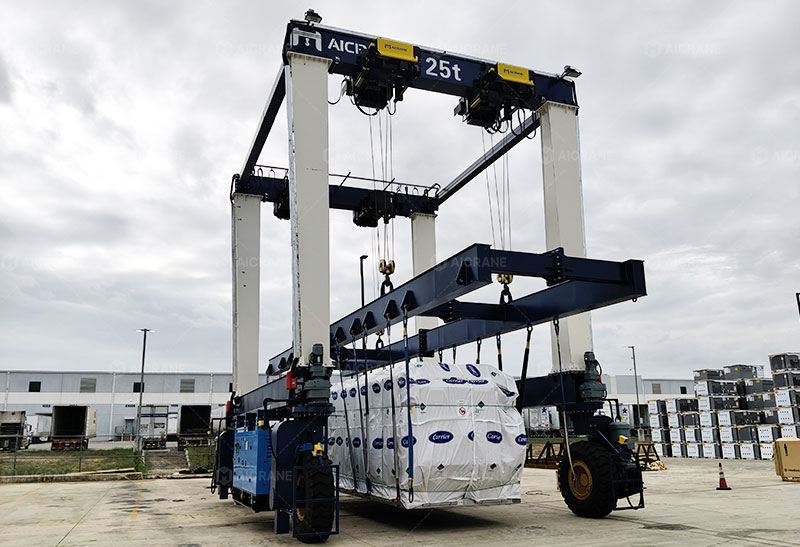
1. Clearly Define Application Requirements Before Sourcing
One of the most common mistakes in international procurement is starting supplier discussions without a clearly defined operational scope.
Before contacting rubber tyred gantry crane manufacturers, buyers should define:
- Maximum lifting capacity (e.g., 20t, 40t, 100t)
- Working environment (port, precast yard, steel mill, warehouse)
- Duty class (light, medium, heavy-duty cycles)
- Load type (containers, steel coils, precast beams, machinery)
- Working hours per day and annual utilization
- Site constraints (ground conditions, turning radius, space limits)
RTG cranes are highly customizable systems, and unclear requirements often lead to overspecification or underperformance.
According to industry references, RTG cranes are widely used for container handling, cross-yard transfer, and industrial heavy lifting due to their flexible mobility and adaptable configurations .
2. Evaluate Supplier Engineering Capability, Not Just Price
When sourcing internationally, the cheapest supplier is rarely the best choice for RTG cranes.
A qualified supplier must demonstrate:
- Structural design capability (FEM/ISO/CMAA compliance)
- Electrical system integration expertise (PLC, inverter control)
- Wheel and steering system engineering
- Load distribution and stability calculation ability
- Experience in similar international projects
High-quality RTG cranes rely on robust steel structures and fatigue-resistant design, as they undergo repetitive stress cycles during operation .
A strong engineering background ensures that the crane is not only functional but also safe under long-term heavy-duty use.
3. Verify Compliance with International Standards
RTG cranes are subject to different regional standards depending on the destination country. Common frameworks include:
- ISO standards (international baseline)
- FEM standards (European markets)
- CMAA standards (North America)
- GOST standards (Russia and CIS regions)
- Local safety regulations
A reliable supplier must be able to:
- Provide certified structural calculations
- Issue conformity certificates
- Adapt design to regional electrical standards (voltage, frequency)
- Comply with import inspection requirements
Failure to comply can result in customs delays, rework costs, or even project rejection.
4. Compare Power System Options Carefully
RTG cranes typically offer multiple power configurations:
- Diesel-powered
- Diesel-electric hybrid
- Fully electric (cable reel or busbar)
- Battery-assisted systems (emerging trend)
Each option has trade-offs:
- Diesel: High mobility, but higher emissions and fuel cost
- Electric: Low operating cost, but requires infrastructure
- Hybrid: Balanced solution for modern ports
Recent industry trends show a strong shift toward energy-efficient and low-emission RTG systems, driven by sustainability requirements and operational cost reduction .
International buyers should match power systems with long-term energy availability and environmental regulations.
5. Assess Site Conditions and Infrastructure Compatibility
RTG cranes are large mobile gantry cranes, but they are still extremely heavy equipment that requires proper ground engineering.
Before procurement, buyers must confirm:
- Ground bearing capacity (critical for wheel load distribution)
- Surface flatness and drainage conditions
- Turning radius space for multi-direction movement
- Yard layout compatibility
Site preparation is a key factor in ensuring safe operation and long-term performance .
Poor site compatibility can lead to uneven wheel wear, structural stress, and reduced operational efficiency.
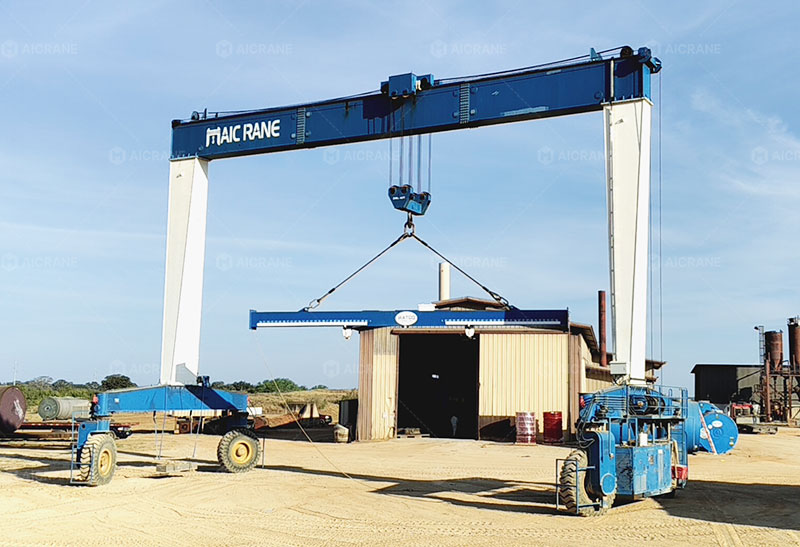
6. Prioritize Spare Parts Availability and After-Sales Support
International sourcing often fails not because of the crane itself, but because of poor after-sales support.
Key considerations include:
- Availability of spare parts in your region
- Lead time for critical components (motors, gearboxes, wheels)
- Remote technical support capability
- Availability of installation supervision
- Training for operators and maintenance staff
A strong supplier should provide a global service network or regional partnerships to ensure uptime.
7. Evaluate Logistics, Shipping, and Installation Planning
RTG cranes are large modular systems that require detailed logistics planning.
Important considerations:
- Transportation method (breakdown modules vs. assembled shipping)
- Port handling capacity for oversized components
- Customs documentation accuracy
- On-site assembly requirements
- Lifting equipment availability during installation
International buyers should request a full logistics and installation plan before signing contracts.
8. Conduct Factory Inspection and FAT (Factory Acceptance Test)
Before shipment, buyers should always conduct:
Factory Inspection
- Welding quality checks
- Structural assembly verification
- Electrical system testing
- Wheel alignment and motion tests
Factory Acceptance Test (FAT)
- Full load testing
- Emergency braking tests
- Travel and lifting cycle validation
- Control system response checks
This step significantly reduces the risk of commissioning failures on-site.
9. Analyze Total Cost of Ownership (TCO), Not Just Purchase Price
Many buyers focus only on initial gantry crane price, but RTG cranes are long-term assets.
A proper cost analysis should include:
- Energy consumption (diesel or electricity)
- Maintenance frequency and parts cost
- Operator training expenses
- Downtime risk and productivity loss
- Expected service life (often 15–25 years)
A slightly higher initial investment may result in significantly lower lifetime operating costs.
10. Choose Suppliers with Proven Global Project Experience
International RTG procurement requires suppliers who understand:
- Export documentation
- Regional compliance differences
- Cross-border logistics challenges
- Multilingual technical communication
- Installation in diverse environments
Manufacturers with global project experience are typically more reliable in handling complex technical and commercial requirements.
Companies such as Aicrane, for example, have delivered RTG and gantry crane systems to multiple international markets and support customized engineering solutions for different industrial scenarios.
11. Focus on Digital Control and Smart Features
Modern RTG cranes increasingly include smart technologies such as:
- Remote monitoring systems
- Anti-sway control
- Automated positioning assistance
- Fault diagnostics systems
- Energy recovery systems
These features improve:
- Operational safety
- Productivity efficiency
- Maintenance planning accuracy
When sourcing internationally, buyers should ensure that control systems are compatible with local operator skill levels and maintenance capabilities.
Conclusion
Sourcing Rubber Tyred Gantry cranes internationally is a strategic engineering and procurement process that requires careful planning beyond price comparison.
To achieve successful procurement, buyers should:
- Clearly define operational requirements
- Evaluate engineering capability, not just cost
- Ensure international standard compliance
- Match power systems with operational conditions
- Verify site readiness and logistics feasibility
- Prioritize after-sales support and spare parts availability
- Consider total lifecycle cost instead of initial investment
When properly executed, international sourcing enables companies to access advanced RTG technology, improve yard efficiency, and build long-term operational competitiveness in global logistics and industrial markets.