
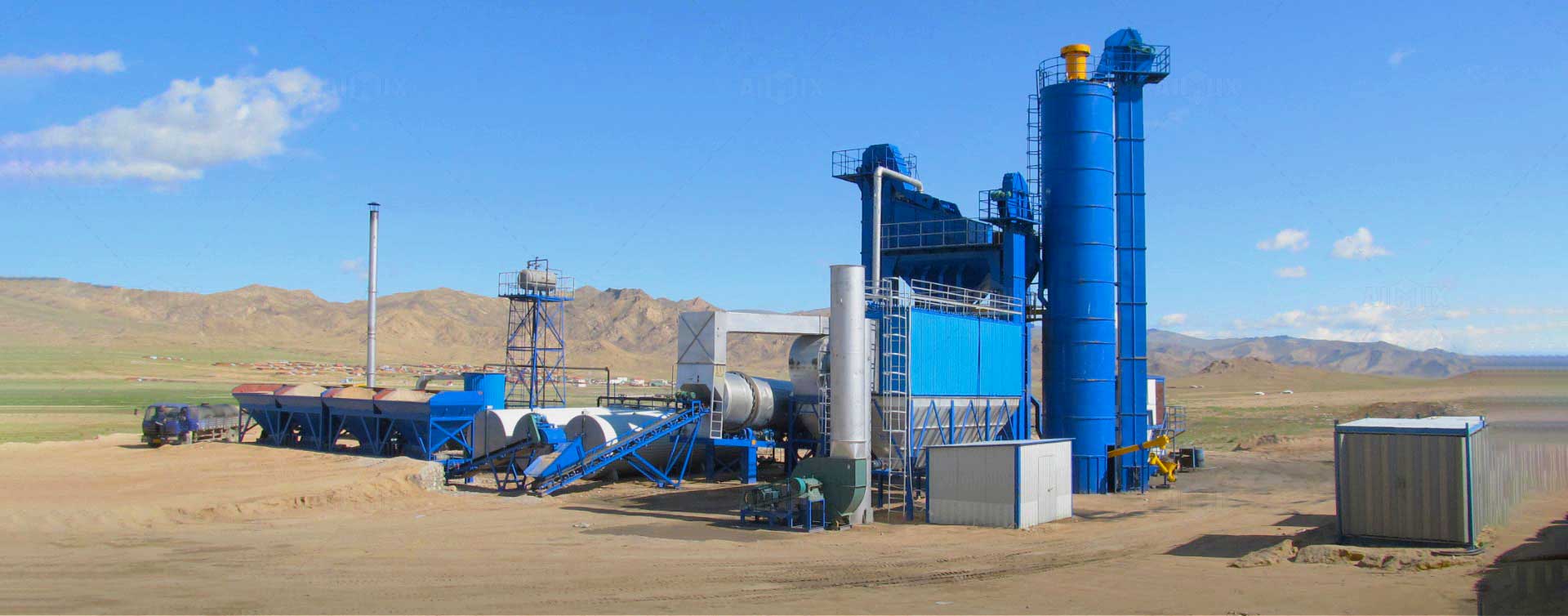
Purchasing an asphalt mixing plant is a major investment for road construction contractors, asphalt producers, and infrastructure companies. The right plant can improve production efficiency, control material costs, and help a business secure more road construction projects. However, the wrong purchasing decision can lead to low production efficiency, unexpected operating expenses, delayed project delivery, and a longer investment payback period.
Many buyers focus mainly on the initial equipment price or advertised production capacity. However, these figures alone cannot determine whether a plant will meet actual construction requirements. Factors such as annual asphalt demand, project location, fuel consumption, aggregate characteristics, environmental regulations, installation conditions, and after-sales support also affect long-term performance.
So, what are the most common mistakes when purchasing an asphalt mixing plant? More importantly, how can contractors and investors avoid them? Below, we examine the key purchasing mistakes from a practical construction and business perspective to help you make a more informed investment decision.
1. Choosing an Asphalt Plant Based Only on Its Advertised Capacity
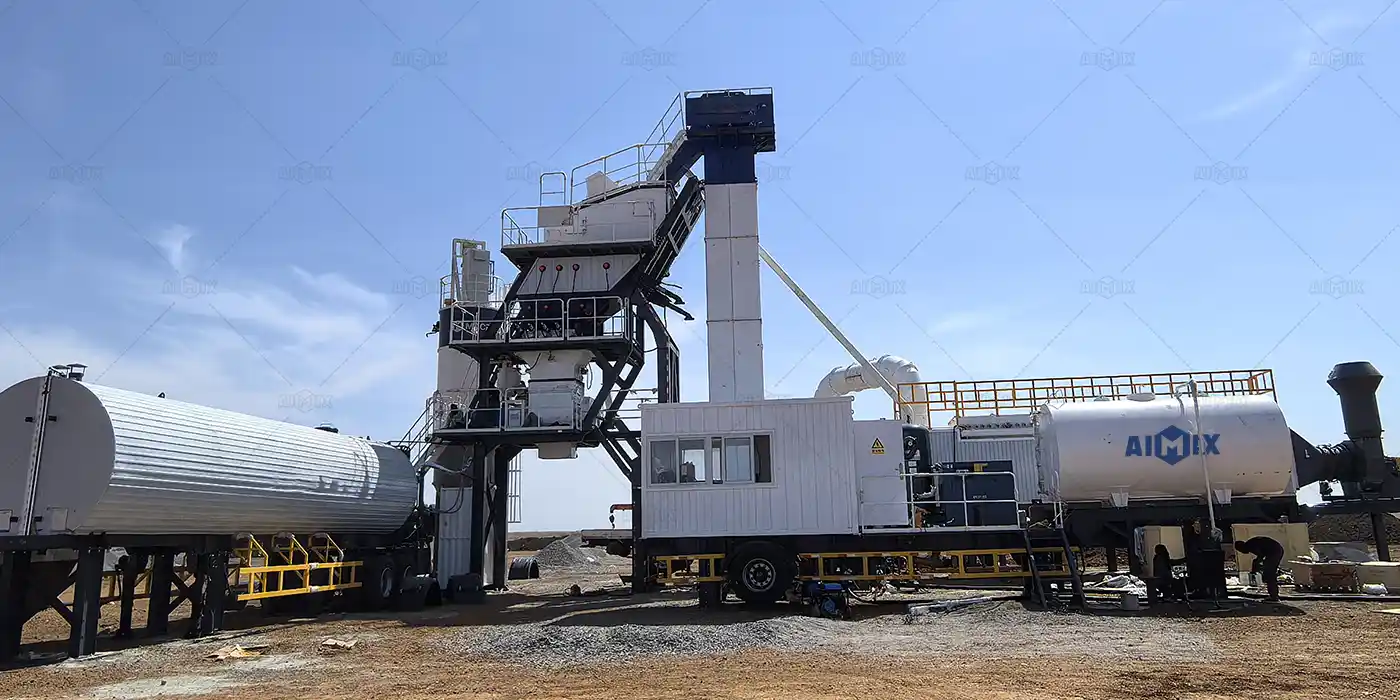
Production capacity is usually one of the first specifications buyers compare. For example, a contractor may consider an 80 TPH, 120 TPH, or 160 TPH asphalt mixing plant based on the size of an upcoming road project. However, selecting a plant simply because its advertised capacity looks sufficient can create production problems later.
The rated capacity does not always equal the actual hourly output under every working condition. Aggregate moisture, ambient temperature, fuel quality, asphalt mixture requirements, operating efficiency, and material supply can all affect production.
Why Is Actual Production Capacity Important?
Consider a road contractor who needs to produce 80,000 tons of asphalt mixture annually. If the company selects a plant that cannot maintain stable output during peak construction periods, it may struggle to meet delivery schedules.
On the other hand, purchasing an oversized plant can increase initial investment, fuel consumption, maintenance costs, and equipment depreciation without generating enough additional revenue.
Before selecting a capacity, buyers should evaluate:
- Annual asphalt demand: Estimate the total asphalt mixture required by confirmed projects and realistic future contracts.
- Daily production targets: Calculate how many tons must be produced during actual working hours.
- Operating hours: Consider daily shifts, equipment downtime, maintenance periods, and seasonal construction schedules.
- Peak production demand: Determine whether several projects may require asphalt simultaneously.
- Material supply: Check whether aggregate, bitumen, and other materials can reach the plant at the required rate.
Therefore, the best capacity is not necessarily the largest one. It is the capacity that matches actual production demand while maintaining sufficient operating flexibility.
2. Focusing Only on the Initial Asphalt Plant Price
Another common purchasing mistake is comparing suppliers only by their quoted equipment prices. A lower quotation may appear attractive, especially for companies working with limited investment budgets. However, the initial purchase price represents only part of the total project cost.
In practice, two asphalt mixing plants with similar production capacities may have significantly different total investment requirements because of their configurations, transportation arrangements, installation conditions, and auxiliary equipment.
What Should Be Included in the Total Investment?
Before making a purchasing decision, buyers should request a detailed quotation and clarify which items the supplier includes. Reviewing the main factors affecting asphalt concrete plant cost can also help investors prepare a more realistic budget before comparing manufacturers.
- Main equipment: The mixing tower, drying drum, cold aggregate feeding system, screening system, hot aggregate storage, weighing system, and mixing unit, depending on the plant type.
- Auxiliary equipment: Bitumen storage tanks, thermal oil heating systems, fuel supply systems, aggregate loaders, and other supporting facilities.
- Environmental protection: Dust collection equipment, baghouse filters, exhaust treatment, and other locally required environmental configurations.
- Transportation and import: Ocean freight, inland transportation, customs clearance, import duties, and port handling charges.
- Installation and commissioning: Foundation preparation, equipment assembly, electrical connections, testing, and operator training.
- Operating preparation: Initial spare parts, lubricants, fuel arrangements, and other commissioning materials.
For example, a supplier may offer a lower basic equipment price but exclude bitumen tanks, dust collection upgrades, or installation support. Consequently, the final investment may exceed the buyer’s original budget.
For a more realistic investment assessment, compare the complete supply scope rather than the headline quotation.
3. Selecting the Wrong Type of Asphalt Mixing Plant
Not every asphalt mixing plant suits every construction business. Some contractors need a permanent production facility for long-term highway projects, while others require flexible equipment for multiple short-term road construction contracts.
Choosing the wrong plant type can increase transportation costs, reduce operational flexibility, or create unnecessary investment pressure. Therefore, understanding the differences between production configurations is essential before placing an order.
Stationary Asphalt Batch Mix Plant
A stationary asphalt batch mix plant is suitable for contractors and asphalt producers who require stable production and accurate mixture control. It produces asphalt in separate batches, allowing operators to adjust mixture proportions and handle different asphalt recipes.
This type is particularly useful for highway construction, municipal road projects, airport paving, and commercial asphalt production where consistent mixture quality matters.
Stationary Asphalt Drum Mix Plant
A stationary asphalt drum mix plant combines drying, heating, and mixing processes in a continuous production system. It is often suitable for projects that require relatively consistent asphalt mixtures and continuous output.
Compared with a batch plant, its production process has a different operating structure. Therefore, buyers should evaluate mixture requirements, production flexibility, and operating conditions before choosing this option.
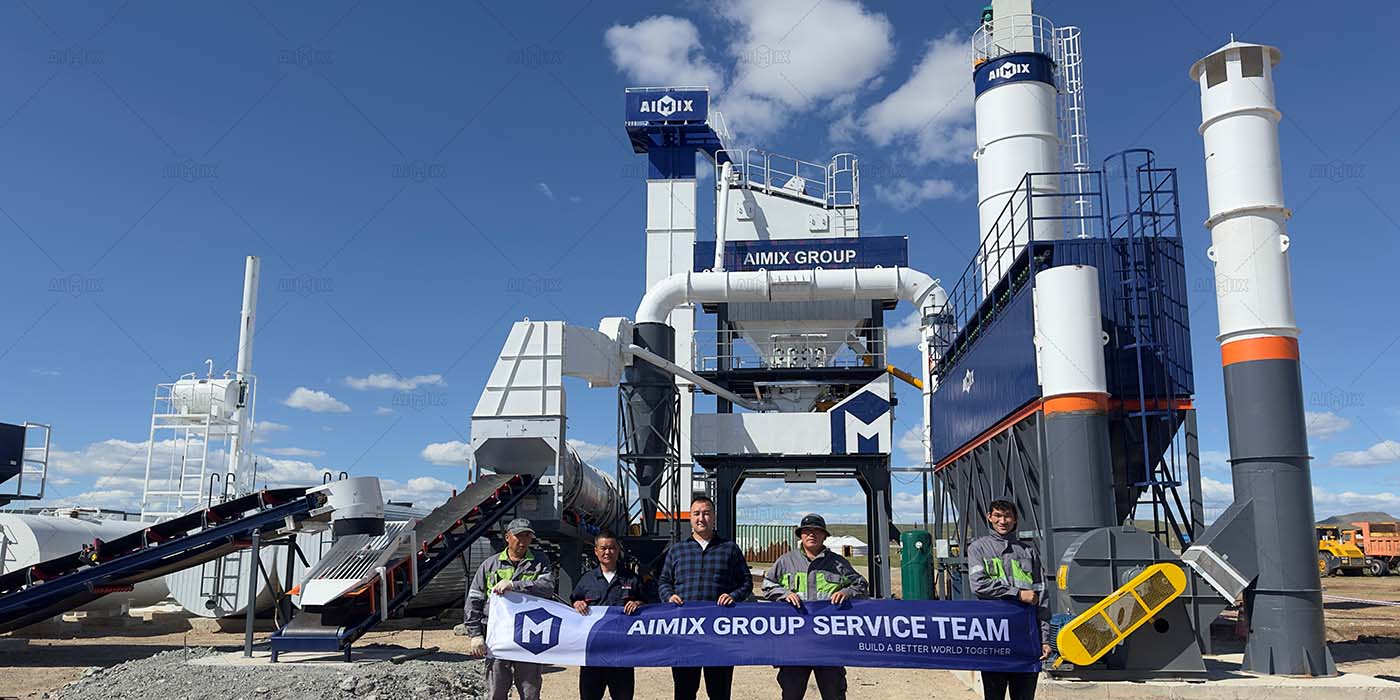
Mobile and Portable Asphalt Mixing Plants
Mobile and portable asphalt plants are designed for businesses that frequently move between construction sites. They can reduce relocation time and provide greater flexibility for projects in remote areas or regions with scattered road construction demand.
For contractors handling multiple construction locations, a mobile asphalt mixing plant for sale may provide a practical solution by reducing repeated equipment dismantling and transportation requirements.
However, mobility does not automatically mean lower total costs. Buyers should also consider transportation dimensions, site preparation, relocation frequency, assembly requirements, and the actual production capacity available after installation.
To avoid choosing equipment based on appearance or price alone, compare the following factors:
- Long-term production: A stationary plant may be more suitable for a permanent production base.
- Frequent relocation: A mobile or portable plant may better support contractors handling projects in different locations.
- Mixture flexibility: Batch production can be advantageous when projects require different asphalt formulations.
- Continuous output: Drum mix technology may suit projects with relatively consistent mixture requirements.
- Site conditions: Available land, transportation access, foundation requirements, and installation conditions influence the final choice.
Ultimately, the correct plant type should match the company’s project model, not simply follow the most popular equipment configuration in the market.
4. Ignoring Fuel Consumption and Long-Term Operating Costs
Fuel consumption is one of the most important factors affecting the operating cost of an asphalt mixing plant. However, some buyers pay close attention to the purchase price while overlooking how much the equipment will cost to operate over several years.
For asphalt production, the drying and heating process requires substantial energy. Therefore, aggregate moisture, burner efficiency, insulation quality, production load, and operating management can all influence fuel consumption.
What Causes Higher Fuel Consumption?
- High aggregate moisture: Wet aggregates require additional energy to remove water before reaching the required production temperature.
- Inefficient burner performance: Poor combustion control can increase fuel consumption and affect heating stability.
- Excessive heat loss: Inadequate insulation around the drying and heating system can waste energy.
- Low production utilization: Operating a large plant at consistently low output may reduce overall energy efficiency.
- Unstable material supply: Frequent production interruptions and repeated heating cycles can increase operating expenses.
When comparing suppliers, buyers should request fuel consumption information under clearly defined operating conditions. For example, the comparison should specify aggregate moisture, production capacity, fuel type, and operating load.
It is also important to distinguish between theoretical fuel consumption and actual consumption at the construction site. Real operating conditions may differ considerably from factory testing conditions.
As a result, evaluating energy efficiency before purchasing can help contractors reduce long-term production costs and protect project profitability.
5. Overlooking Environmental Regulations and Dust Collection Requirements
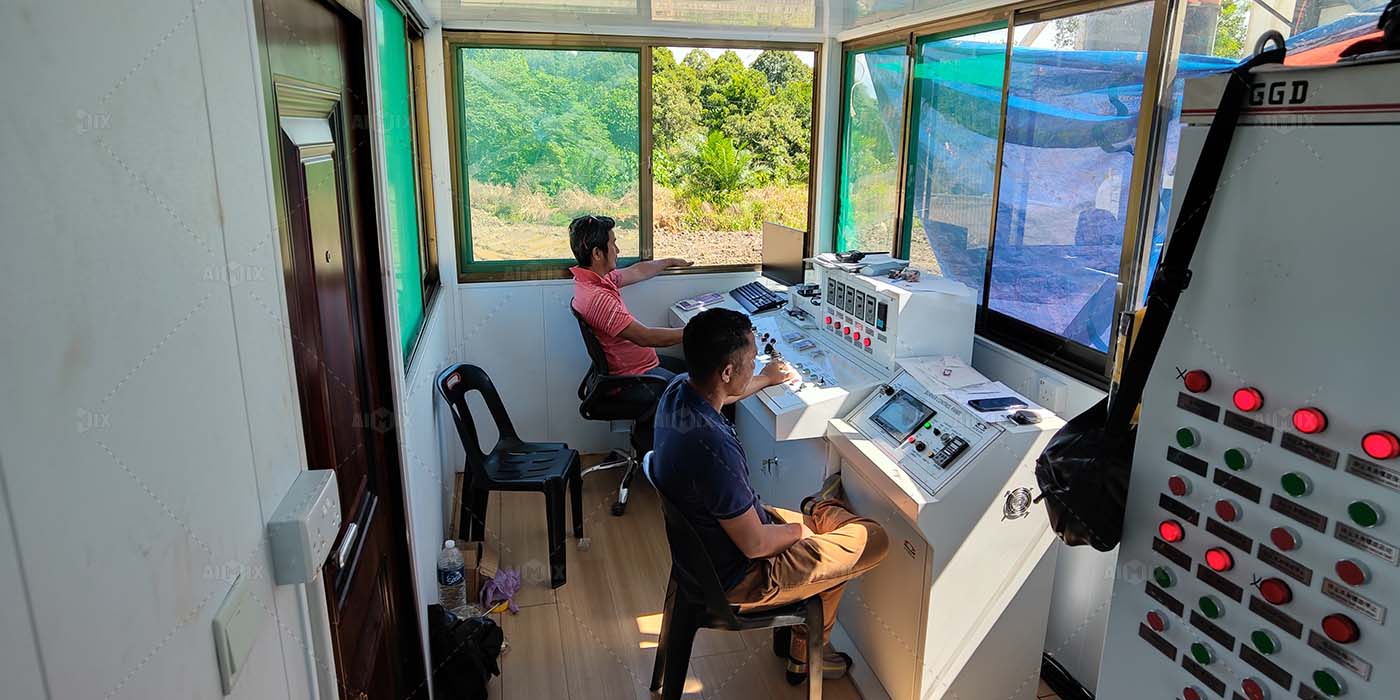
Environmental compliance is another issue that buyers should address before purchasing an asphalt mixing plant. Different countries and regions may have different requirements for dust emissions, exhaust gases, noise, fuel use, and industrial site operations.
A plant that works successfully in one country may require additional environmental configurations before it can operate legally in another location.
Why Is the Dust Collection System Important?
During aggregate drying, heating, and material handling, the production process generates dust and exhaust gases. An appropriate dust collection system helps control particulate emissions and supports cleaner plant operations.
For many asphalt plants, a baghouse dust collector is an important component. It collects fine dust from the production process and can also support the recovery of usable mineral filler, depending on the plant configuration.
Before confirming an order, buyers should check:
- Whether the dust collection system meets applicable local emission requirements.
- Whether the baghouse filter capacity matches the plant’s production capacity.
- Whether the exhaust treatment configuration suits the selected burner and fuel.
- Whether the plant requires additional noise reduction or other environmental measures.
- Whether local authorities require environmental assessments, operating permits, or specific testing documents.
For example, contractors operating near residential areas may face stricter noise and dust management requirements than those working at remote industrial sites. Therefore, environmental configuration should be confirmed during the planning stage rather than added after equipment delivery.
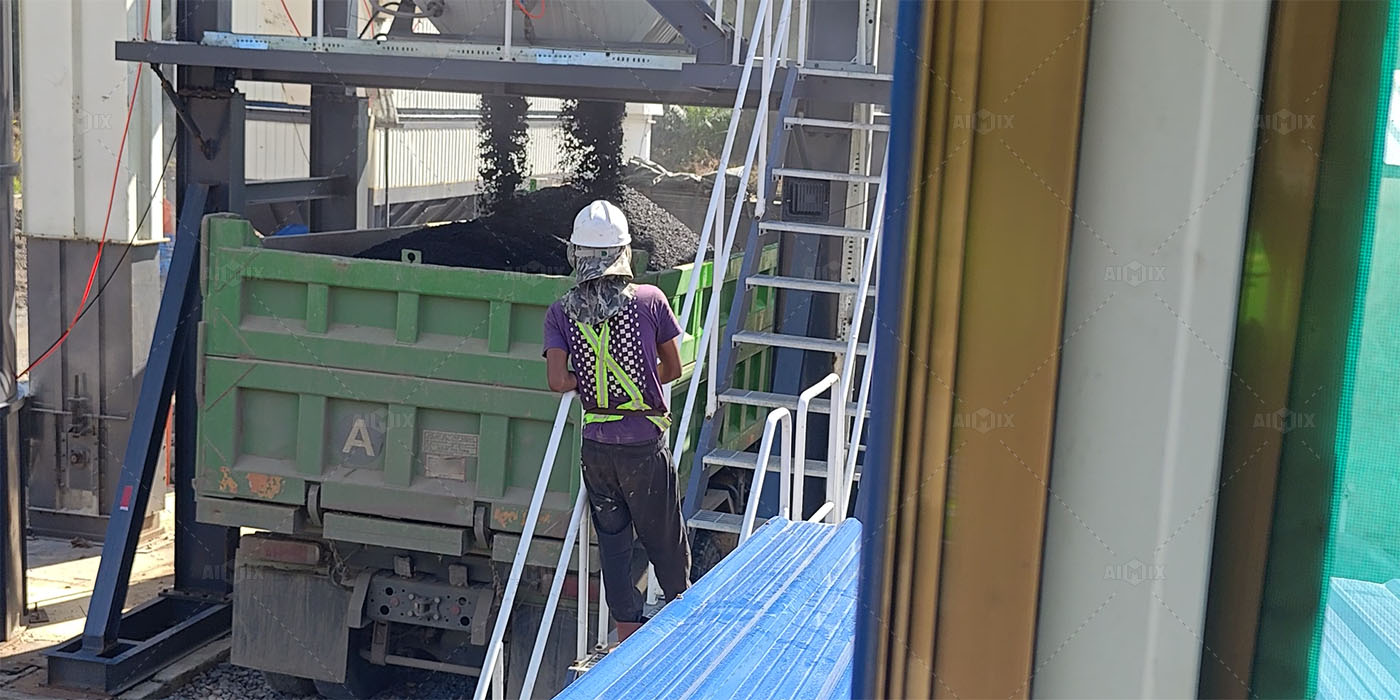
6. Not Checking the Quality and Configuration of Key Components
An asphalt mixing plant is an integrated production system. Its performance depends on how well the individual components work together. Consequently, comparing equipment based only on the plant model or advertised capacity can lead to an incomplete purchasing decision.
Two suppliers may offer plants with the same nominal output but different configurations, component specifications, control systems, and maintenance requirements.
Which Components Deserve More Attention?
- Drying drum: Check its dimensions, heating performance, material handling design, and insulation.
- Burner: Confirm the available fuel options, combustion control, and compatibility with local fuel supplies.
- Vibrating screen: Check screening capacity, screen deck configuration, and the ability to separate aggregates into the required sizes.
- Weighing system: Evaluate the accuracy and stability of aggregate, filler, and bitumen measurement.
- Mixing unit: Check mixing capacity, mixing cycle, wear-resistant components, and maintenance access.
- Control system: Confirm whether the software supports production monitoring, recipe management, operational records, and fault identification.
- Dust collector: Check filter materials, cleaning methods, filtration capacity, and maintenance requirements.
In addition, buyers should request detailed technical specifications and confirm the actual brands, models, and quantities of critical components. This makes it easier to compare quotations fairly and avoid unexpected substitutions.
7. Underestimating Installation Conditions and Site Preparation
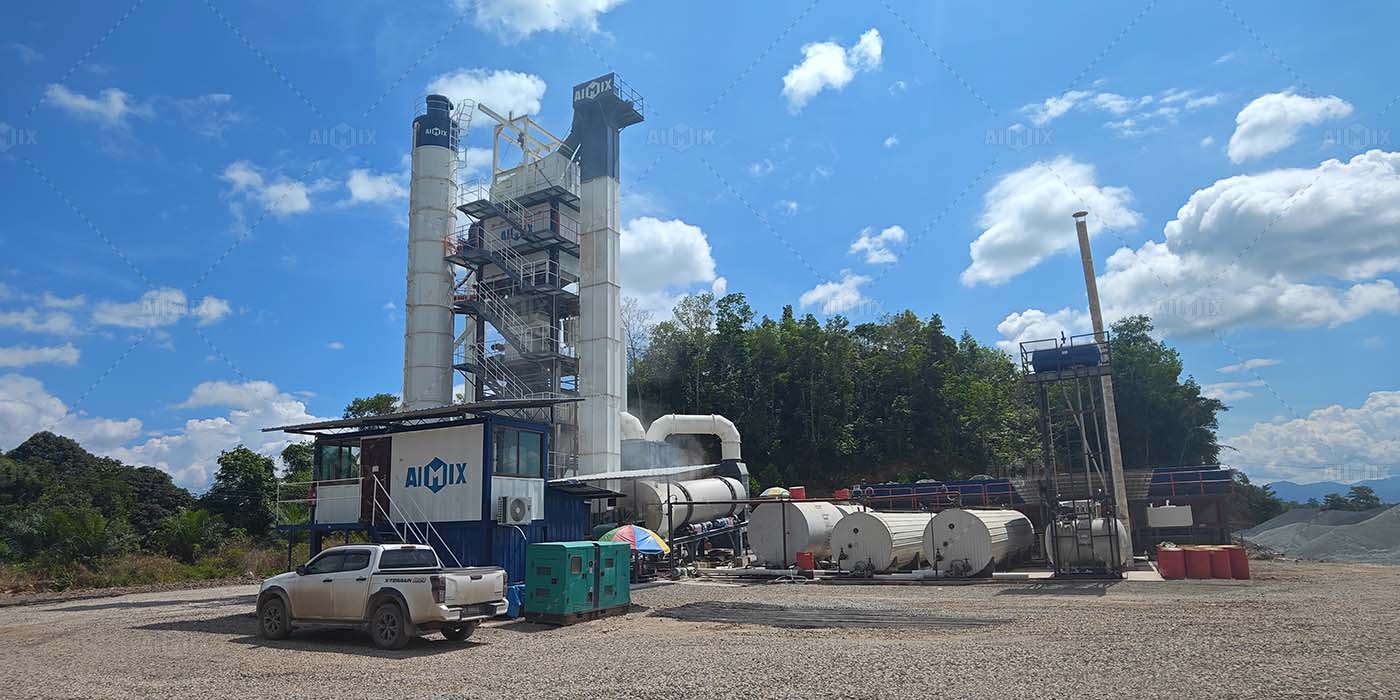
Even a well-configured asphalt mixing plant can experience installation delays if the buyer does not prepare the construction site properly. This issue is particularly important for projects in remote regions, mountainous areas, and locations with limited transportation access.
Some buyers focus on equipment delivery but overlook the work required before the plant can begin production.
What Should Buyers Prepare Before Delivery?
- Land area: Ensure sufficient space for the production line, aggregate storage, bitumen tanks, finished asphalt loading, and vehicle movement.
- Ground conditions: Evaluate soil stability, drainage, foundation requirements, and potential settlement risks.
- Transportation access: Confirm that roads can accommodate heavy trucks, oversized components, and cranes where necessary.
- Utilities: Prepare a suitable electrical supply, fuel storage, water supply where required, and other supporting infrastructure.
- Environmental arrangements: Consider drainage, dust control, noise management, and local site approval requirements.
- Installation resources: Arrange cranes, lifting equipment, technicians, and qualified electrical personnel when needed.
For example, a contractor building roads in a remote area may have limited access to heavy lifting equipment and technical workers. If these conditions are not considered in advance, equipment assembly and commissioning may take longer than expected.
Therefore, buyers should request a site layout and installation requirements from the supplier before shipment. Early preparation can reduce avoidable delays and help the plant enter production sooner.
8. Ignoring After-Sales Service and Spare Parts Availability
Purchasing an asphalt mixing plant is not the end of the investment process. Once production begins, maintenance, technical support, and spare parts availability become essential to keeping the plant operational.
A minor component failure during peak construction season can interrupt asphalt production and delay paving operations. For contractors working under strict project deadlines, such interruptions may affect the entire construction schedule.
How Can Buyers Evaluate a Supplier’s Service Capability?
- Technical support: Confirm whether the supplier provides remote troubleshooting and engineering assistance.
- Installation guidance: Check whether professional technicians can support assembly, commissioning, and operator training.
- Spare parts: Ask which critical spare parts are available and how long international delivery normally takes.
- Warranty terms: Clarify the warranty period, covered components, exclusions, and service procedures.
- Maintenance guidance: Request maintenance schedules, equipment manuals, and recommended replacement intervals.
- Service experience: Ask for relevant installation references and examples of support provided to customers in similar markets.
Furthermore, buyers should distinguish between a supplier that only delivers equipment and a manufacturer that can provide technical support throughout the equipment’s service life.
Reliable after-sales service can reduce downtime, improve maintenance planning, and protect the long-term value of the investment.
9. Failing to Calculate the Return on Investment
Some companies purchase an asphalt mixing plant because they expect future road construction demand to increase. However, without a realistic financial assessment, the investment may take much longer to recover than expected.
A plant’s profitability depends not only on production capacity but also on annual utilization, asphalt selling prices, raw material costs, transportation expenses, labor, fuel consumption, and maintenance.
Which Financial Factors Should Be Evaluated?
- Annual production volume: Estimate the realistic number of tons the plant can produce and sell each year.
- Revenue per ton: Calculate the expected selling price or the value of asphalt produced for internal construction projects.
- Material costs: Include aggregates, bitumen, mineral filler, and other production inputs.
- Operating expenses: Account for fuel, electricity, labor, maintenance, and equipment wear.
- Transportation costs: Evaluate the distance between the plant, raw material suppliers, and construction sites.
- Annual working days: Consider weather conditions, rainy seasons, project schedules, and regional construction cycles.
- Financing costs: Include loan interest, payment schedules, and other financing expenses where applicable.
For example, a 120 TPH asphalt plant may appear to offer excellent production potential. However, if the business only secures enough contracts to operate the plant for a limited number of days each year, the investment may remain underutilized.
In contrast, a smaller plant with stable contracts and efficient operations may generate a more predictable return.
Therefore, calculate the expected annual cash flow under conservative, normal, and optimistic scenarios before deciding on the equipment capacity and investment budget.
10. Not Comparing Suppliers and Technical Proposals Carefully
Choosing the first supplier who provides an attractive quotation is another mistake that can affect equipment quality and long-term operating performance. Different manufacturers may use different technical configurations, production assumptions, and service arrangements.
As a result, comparing quotations only by total price can create an inaccurate impression of which supplier offers better value. Working with an experienced asphalt machinery manufacturer can help buyers obtain clearer technical specifications, equipment configurations, and project-specific recommendations.
What Questions Should You Ask Asphalt Plant Manufacturers?
- Is the quoted production capacity based on specified aggregate moisture and operating conditions?
- Which components and auxiliary systems are included in the quotation?
- What fuel types can the burner use, and what are the expected operating requirements?
- What dust collection configuration does the plant include?
- Can the equipment produce the asphalt mixtures required by our projects?
- What are the transportation, installation, and commissioning arrangements?
- Does the manufacturer provide operator training and technical documentation?
- How are spare parts supplied after the warranty period?
- Can the supplier provide references from comparable projects?
In addition, buyers should examine the manufacturer’s production experience, quality management, engineering capabilities, export experience, and ability to customize equipment configurations.
A professional supplier should explain not only what equipment it offers but also why a particular configuration suits the buyer’s production requirements.
11. Overlooking Future Expansion and Production Flexibility
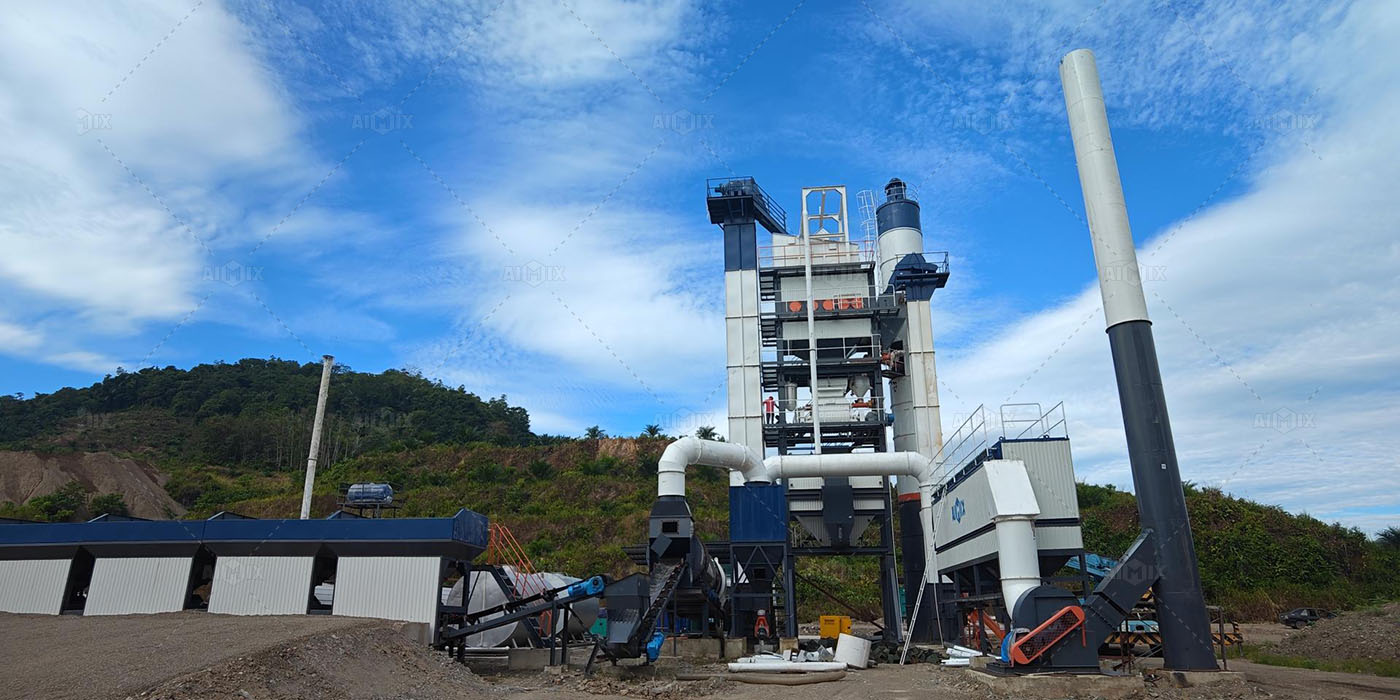
Another mistake is planning only for the first project without considering the company’s future business development. Road construction demand can change as contractors secure new government contracts, expand into neighboring regions, or start supplying commercial asphalt to other customers.
If the original plant configuration cannot support future production requirements, the company may need additional investment or equipment replacement earlier than expected.
How Can Buyers Prepare for Future Demand?
- Estimate potential growth in annual asphalt production over the next three to five years.
- Consider whether the plant can support different aggregate gradations and asphalt mixture formulations.
- Check whether additional bitumen storage, aggregate bins, or auxiliary systems can be integrated later.
- Evaluate whether the control system supports future production management requirements.
- Confirm whether the manufacturer can provide compatible upgrades and replacement components.
However, future expansion should not become an excuse to purchase excessive capacity today. The goal is to select a practical configuration that meets current demand while leaving reasonable room for business growth.
12. How to Avoid These Mistakes Before Purchasing an Asphalt Mixing Plant
After understanding the most common purchasing mistakes, buyers can reduce investment risks by following a structured evaluation process. Rather than making a decision based on one specification or quotation, consider the complete production and business requirements.
A Practical Pre-Purchase Checklist
- Step 1: Define project requirements. Identify the construction location, annual asphalt demand, daily production target, mixture types, and expected operating period.
- Step 2: Select the appropriate plant type. Compare stationary batch, stationary drum, mobile, and portable configurations according to project duration and production flexibility.
- Step 3: Confirm realistic production capacity. Check actual output under your expected aggregate moisture, mixture specifications, and operating conditions.
- Step 4: Calculate the complete investment. Include equipment, transportation, customs, installation, auxiliary systems, and initial operating expenses.
- Step 5: Evaluate operating efficiency. Compare fuel consumption, electrical requirements, maintenance needs, and production stability.
- Step 6: Check environmental compliance. Confirm that the dust collection system and other configurations meet local regulations.
- Step 7: Evaluate the manufacturer. Review technical specifications, project experience, component quality, warranty conditions, and service capabilities.
- Step 8: Estimate the payback period. Use realistic annual production, operating costs, and confirmed or expected project demand to assess financial feasibility.
Following these steps helps buyers move beyond simple equipment price comparisons. More importantly, it connects the equipment selection process with actual construction requirements and long-term business performance.
Make a Smarter Asphalt Mixing Plant Investment with Us
Purchasing an asphalt mixing plant is not simply about choosing a machine with a particular production capacity. It is about finding a production solution that matches your construction projects, local operating conditions, asphalt mixture requirements, and long-term business goals.
We understand that different contractors and asphalt producers face different investment challenges. A highway contractor may prioritize stable high-volume production, while a regional road builder may need a flexible plant that can adapt to changing project locations and production schedules.
Our asphalt mixing plant solutions cover different production requirements, including stationary asphalt batch mix plants, stationary asphalt drum mix plants, and mobile asphalt mixing plants. We can help evaluate equipment capacity, configuration, auxiliary systems, and project conditions to develop a suitable proposal. You can also explore our best asphalt plant solutions to compare available equipment options and identify a configuration that matches your production requirements.
Before making your investment, share your expected production capacity, project location, asphalt mixture requirements, and working schedule with our team. We can help you compare suitable configurations, understand the main cost components, and identify the equipment solution that fits your actual construction needs.