
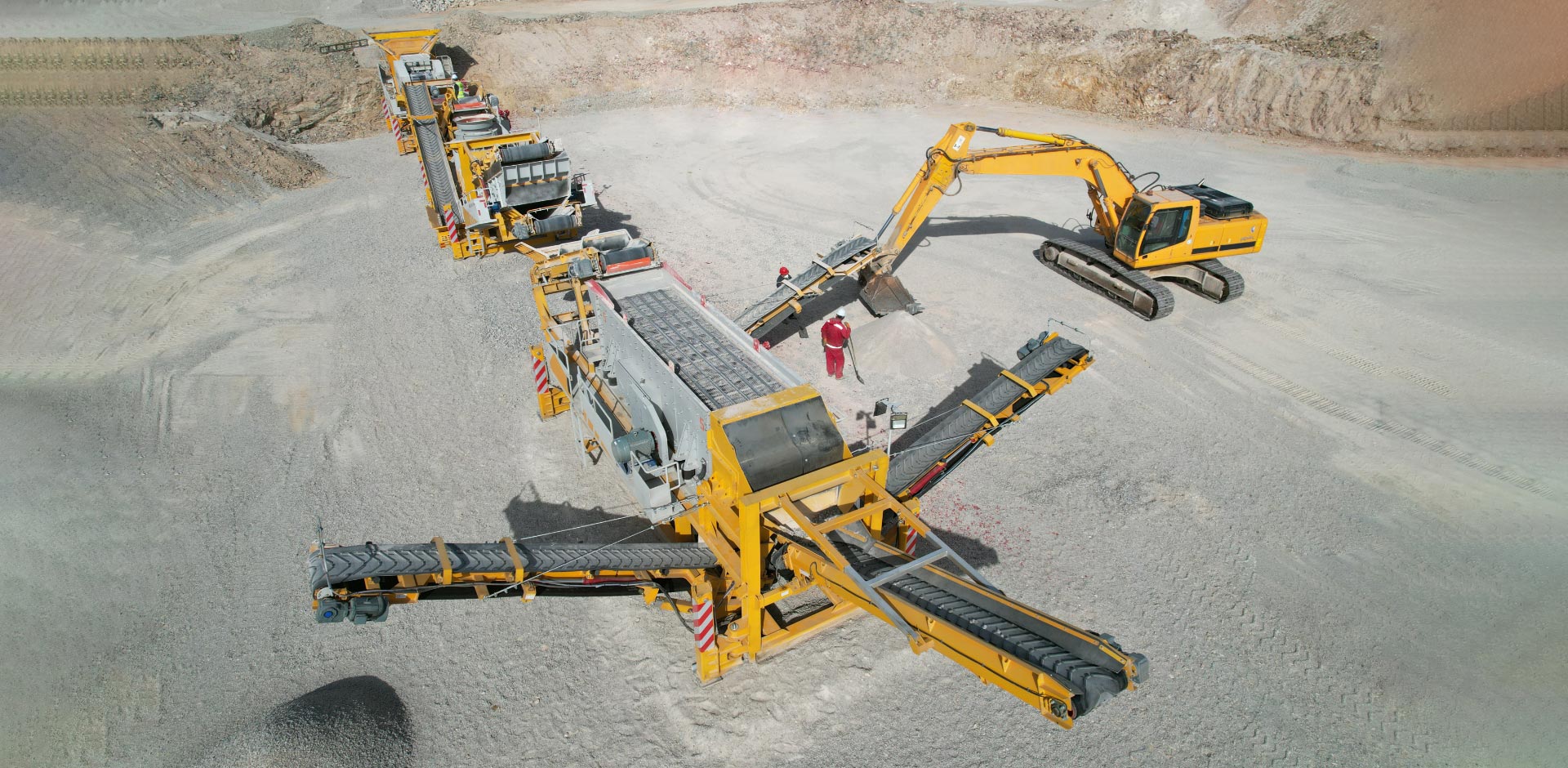
Purchasing a mobile crushing plant is a major investment for quarry operators, aggregate producers, mining contractors, and construction companies. One important decision is whether to buy through a local dealer or work directly with a manufacturer. Direct purchasing can provide closer communication with the engineering team, more flexible equipment configurations, and access to technical support. However, it also requires buyers to evaluate manufacturing capabilities, transportation arrangements, installation services, and long-term maintenance carefully. Understanding both the benefits and potential challenges helps businesses make a purchasing decision based on total project value rather than equipment price alone.
1. Direct Communication Helps Match Equipment to Project Requirements
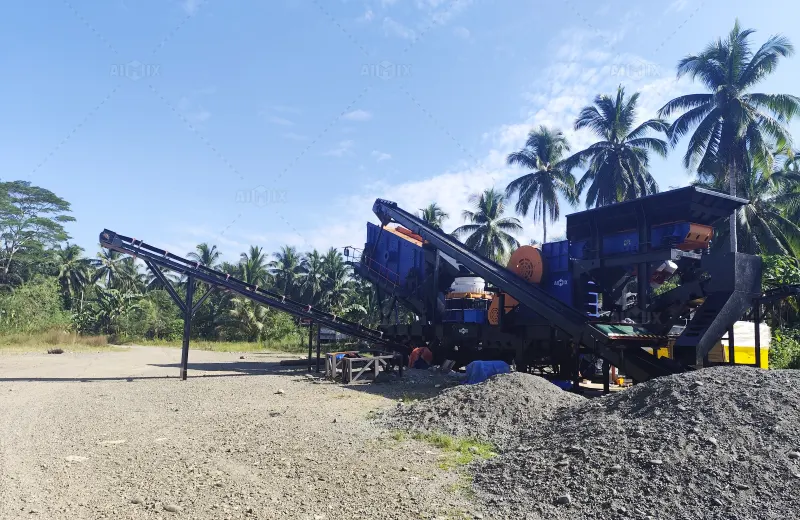
One major advantage of buying directly from mobile crushing plant manufacturers is the opportunity to discuss project requirements with the people responsible for equipment design and production. Instead of relying entirely on information passed through intermediaries, buyers can explain their raw material characteristics, target output, final aggregate sizes, working conditions, and expected operating hours directly to the technical team.
This communication is particularly important because different projects require different crushing configurations. Granite, limestone, river stone, and construction waste have different hardness, abrasiveness, moisture, and processing characteristics. A suitable plant should be selected according to these factors rather than simply choosing a model based on its rated capacity.
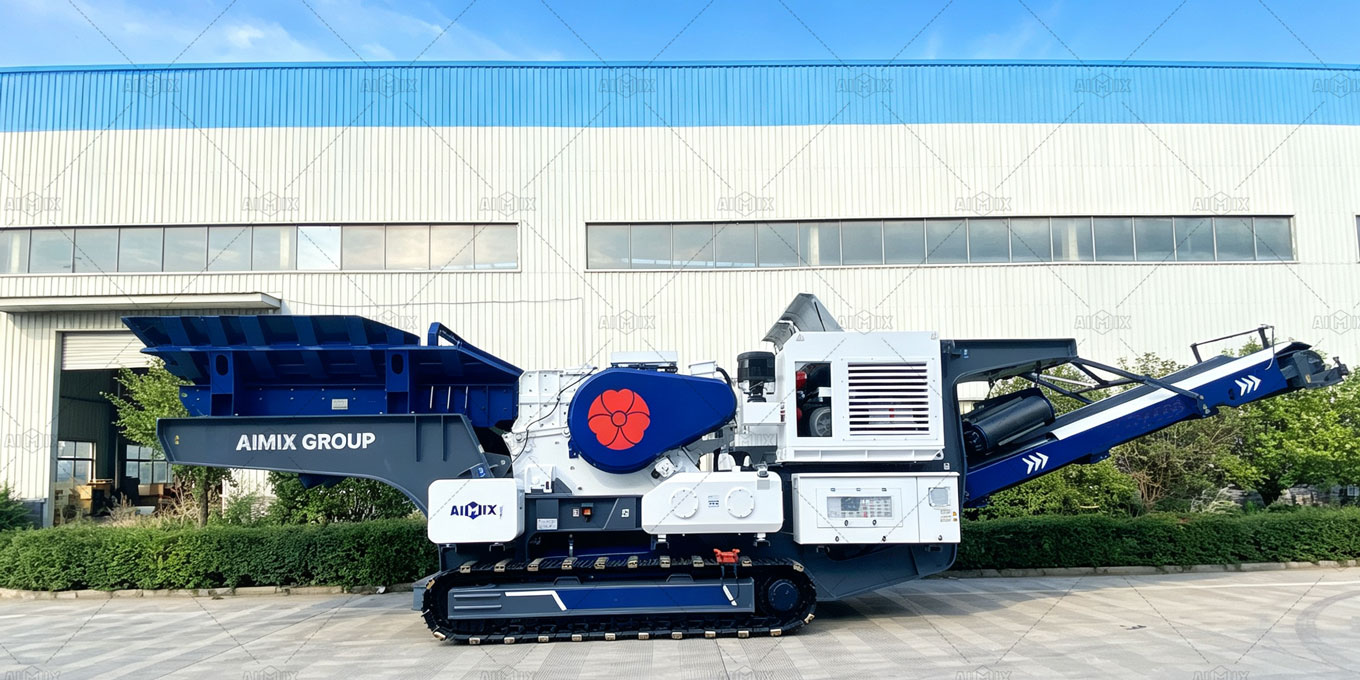
For example, a project involving primary reduction of hard rock may consider an APYL2-116J tracked jaw crusher. Its tracked configuration is relevant to projects where equipment needs to move around a quarry or construction site. Buyers should confirm the machine’s actual feed-size range, production requirements, site conditions, and compatibility with downstream equipment before finalizing the configuration.
2. More Flexible Equipment Configuration and Customization
Direct purchasing can make it easier to discuss configuration changes and integrated production requirements. A mobile crushing plant is not simply an individual crusher mounted on a chassis. Its performance depends on the coordination of the feeder, crushing unit, screening system, conveyors, power supply, and control system.
Some projects require a single crushing stage, while others need several stages to produce multiple aggregate sizes. Buyers should explain whether they need primary crushing, secondary reduction, particle shaping, or closed-circuit screening. The manufacturer can then assess the appropriate combination of equipment and identify potential capacity limitations within the complete production line.
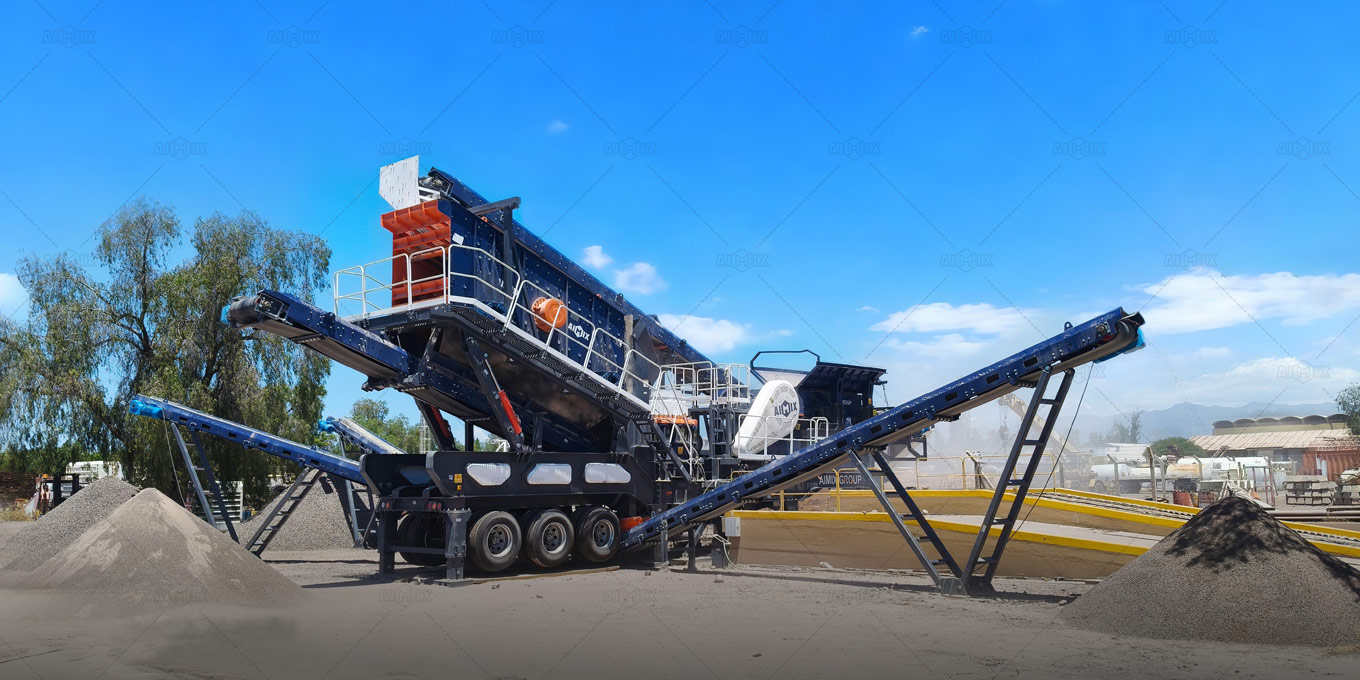
For projects requiring a wheeled configuration, buyers may evaluate an APY4-57J110C-S3 wheeled mobile crusher as one possible equipment option. Wheeled mobile systems can be suitable where transportation between prepared working areas is an important consideration. However, buyers should check towing or transport arrangements, site access, setup requirements, and the configuration of the complete unit before making comparisons with tracked alternatives.
3. Understanding Pricing Beyond the Initial Equipment Quotation
Buying directly from a manufacturer may reduce some intermediary costs and provide a clearer breakdown of equipment pricing. Nevertheless, direct purchasing does not automatically guarantee the lowest total investment. The final quotation depends on the crusher configuration, production capacity, component selection, screening requirements, electrical or hydraulic systems, and optional features.
Buyers should also identify which costs are included in the quotation. These may include transportation, export packaging, installation guidance, commissioning, operator training, spare parts, and after-sales service. If these items are excluded, they should be included in the project budget before comparing different suppliers.
A more meaningful comparison considers the total cost of ownership. Fuel or electricity consumption, wear parts, maintenance labor, equipment availability, and expected service life all influence operating expenses. For instance, a lower-priced machine may require more frequent maintenance or produce a lower proportion of saleable aggregate. Evaluating cost per saleable ton provides a more practical basis for comparing competing offers.
4. Check Manufacturing Capability and Quality Control
Before placing an order, buyers should investigate whether the supplier has the manufacturing capability to deliver the proposed equipment. A professional manufacturer should be able to explain its production process, main component specifications, quality inspection procedures, and testing arrangements. Buyers can request factory photographs, inspection records, equipment videos, or a factory visit where practical.
Particular attention should be given to the chassis structure, crusher components, hydraulic systems, conveyor assemblies, electrical controls, and protective devices. For mobile equipment, structural strength and the reliability of moving components are especially important because machines may operate on uneven ground and experience repeated transportation or relocation.
It is also useful to confirm that the delivered equipment matches the approved technical documentation. Model numbers, motor specifications, processing capacity, feed opening, discharge settings, and included accessories should be clearly listed in the contract. This reduces the risk of misunderstandings between the buyer and manufacturer.
5. Confirm Transportation, Installation, and Commissioning Arrangements
Direct purchasing often involves international shipping, making logistics an important part of supplier evaluation. Before ordering, confirm the shipping dimensions, total weight, loading method, packaging requirements, delivery port, and estimated transportation schedule. Buyers should also check local import regulations, customs duties, road transport restrictions, and any permits required for oversized equipment.
Installation requirements vary according to the plant configuration. Some mobile systems can be deployed relatively quickly after transportation, while others require leveling, connection of auxiliary equipment, commissioning, and integration with additional conveyors or screens. The manufacturer should provide clear instructions about site preparation, power requirements, safety clearances, and the personnel needed for startup.
Commissioning is an important opportunity to verify equipment operation under actual working conditions. Feeding stability, crusher settings, conveyor alignment, screening performance, and finished-product sizes should be checked before regular production begins.
6. Evaluate After-Sales Service and Spare Parts Availability
After-sales support is a critical consideration when buying directly from mobile crushing plant manufacturers, especially for projects located far from the supplier’s factory. A competitive quotation has limited value if equipment downtime cannot be resolved quickly. Buyers should therefore confirm how technical assistance is provided, whether remote troubleshooting is available, and how replacement parts are ordered and delivered.
Ask for a recommended spare-parts list covering high-wear components such as jaw plates, blow bars, cone liners, screen media, and conveyor belts, depending on the selected configuration. The expected service life of wear parts varies with material hardness, abrasiveness, feed conditions, and operating practices, so estimates should be based on the actual application.
Training is equally important. Operators need to understand daily inspections, safe feeding procedures, crusher adjustments, lubrication schedules, and emergency shutdown procedures. A manufacturer that provides practical operating guidance can help buyers improve equipment availability and reduce avoidable maintenance problems.
7. Consider the Role of the Plant in Long-Term Aggregate Production
The equipment purchase should be evaluated within the broader business plan. For a quarry, the objective is not simply to acquire a mobile crusher but to establish a production system that can consistently supply marketable aggregates. This requires coordination between raw material extraction, crushing, screening, stockpiling, loading, and transportation.
In sand and aggregate production, the required product range may change according to customer demand. Road contractors may need several aggregate fractions, while concrete producers may prioritize consistent grading and particle shape. Buyers should therefore consider whether the selected plant can accommodate future changes through adjustable crusher settings, additional screening stages, or compatible auxiliary equipment.
Production planning should also account for the difference between rated feed capacity and actual saleable output. Material removed during pre-screening, recirculated through closed circuits, or rejected because of unsuitable grading affects the quantity available for sale. A well-matched system should meet realistic market demand while maintaining reasonable fuel consumption, wear-part costs, and equipment utilization.
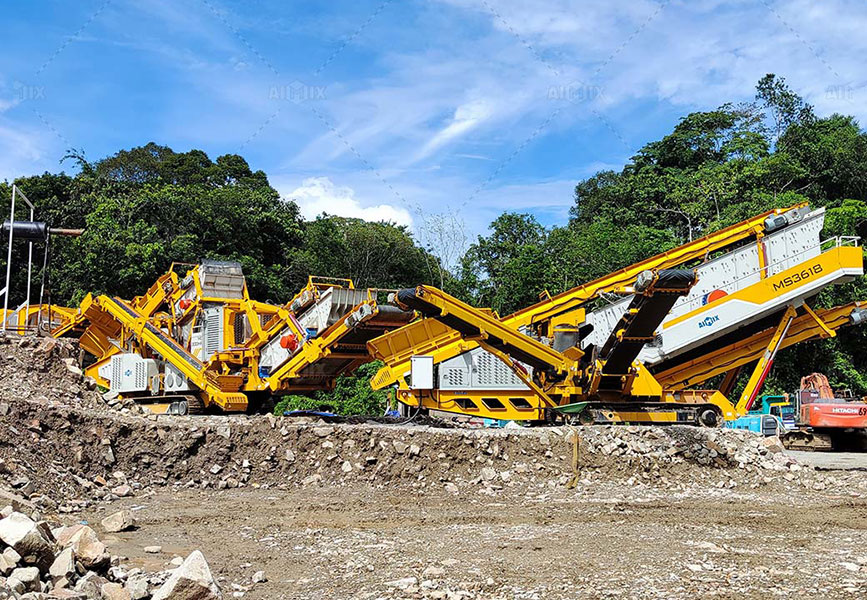
Conclusion
Buying directly from mobile crushing plant manufacturers can offer advantages in technical communication, configuration flexibility, pricing transparency, and access to production expertise. However, buyers should not make decisions based on direct pricing alone. Manufacturing quality, equipment suitability, logistics, installation, spare parts, and long-term operating costs all deserve careful evaluation. By comparing complete project requirements with the manufacturer’s capabilities, businesses can select a mobile crushing solution that supports reliable production and sustainable aggregate operations.