
When you need to produce large volumes of concrete consistently, industrial-grade mixers are essential. These machines are engineered for durability, efficiency, and precision. They handle demanding workloads without compromising quality. If you’re searching for industrial auto concrete mixer machines for sale, you’ll find options built to meet the toughest job site conditions.
In this blog, we’ll explore the features that define high-performance industrial mixers. We’ll also cover key models like concrete self loading mixer, auto concrete mixer machine, mobile mixer concrete, and concrete transit mixer. Our goal is to help you choose the right equipment for maximum productivity.
Why Choose Industrial-Grade Auto Concrete Mixers?
Industrial mixers are different from small, portable models. They are made with heavy-duty materials and powerful engines. This allows them to run longer hours with minimal downtime.
These mixers are ideal for construction companies, precast plants, and infrastructure projects. They produce consistent, high-strength concrete batch after batch. Reliability is critical when deadlines are tight and quality standards are high.
Built-in automation reduces human error. Sensors monitor mix ratios, temperature, and moisture levels. This ensures uniformity in every load. Less rework means lower costs and faster project completion.
Types of Industrial Auto Concrete Mixers
1. Concrete Self Loading Mixer
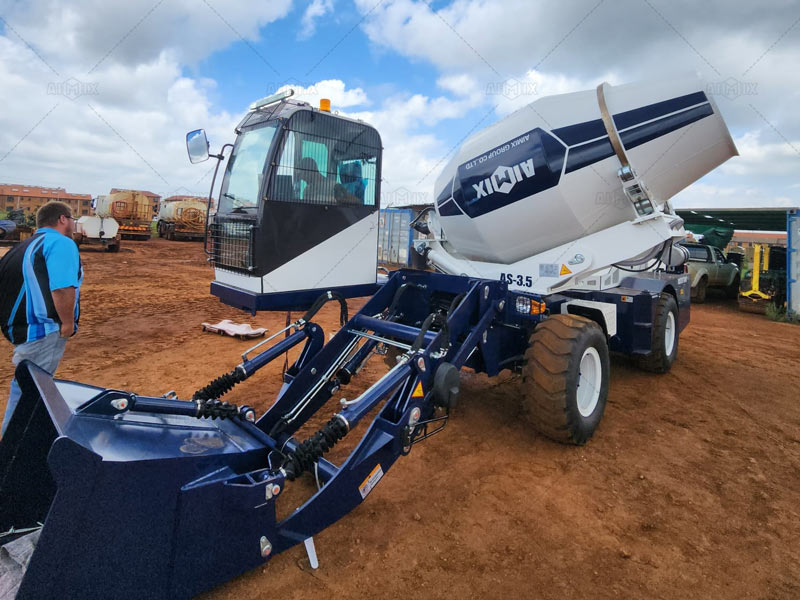
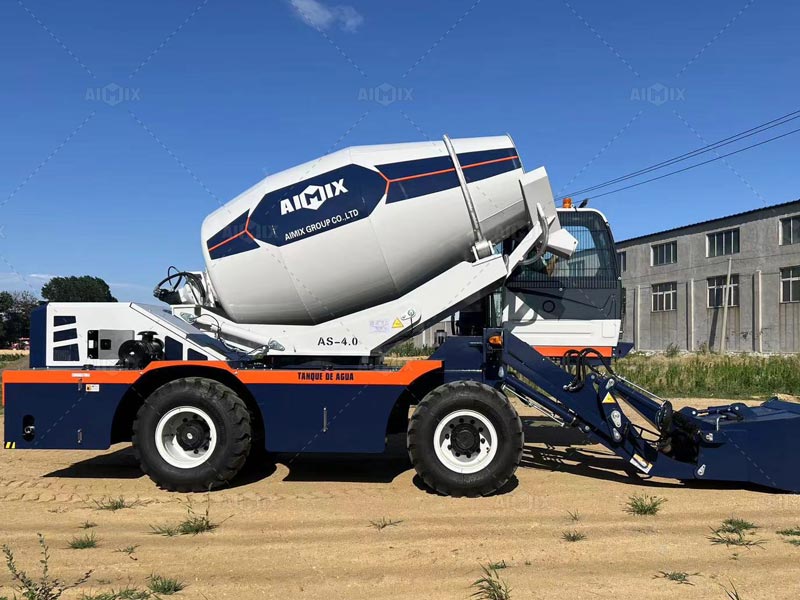
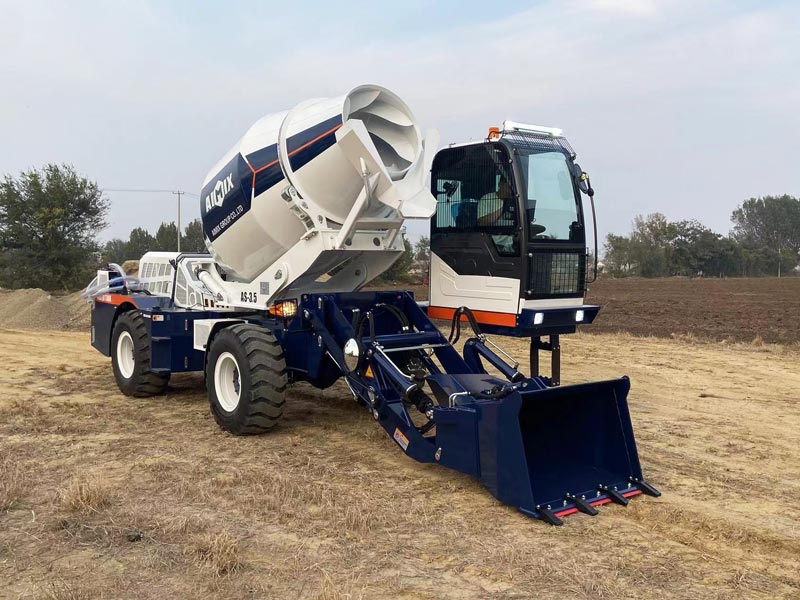
A concrete self loading mixer combines loading, mixing, and discharging in one machine. It eliminates the need for separate loaders or additional workers.
Operators drive the machine to material stockpiles. The loading arm scoops aggregates and cement into the drum. Water is added from an onboard tank. Mixing begins immediately, and concrete is discharged at the pour site.
This type is perfect for remote locations or projects with limited labor. It saves time and reduces coordination between teams.
2. Auto Concrete Mixer Machine
An auto concrete mixer machine focuses on precision and automation. These mixers often feature programmable controls and digital displays.
Operators can set exact mix designs, water-cement ratios, and mixing times. Automated systems adjust parameters in real-time for optimal results.
Such machines are common in precast factories and large-scale construction. They ensure consistent quality across thousands of batches.
3. Mobile Mixer Concrete
A mobile mixer concrete unit is mounted on wheels or a trailer. It can be moved between job sites without disassembly.
These mixers are versatile and quick to deploy. They are suitable for road repairs, small building projects, and emergency concrete needs.
Mobility reduces transport time and allows fresh concrete to be placed immediately. This improves workability and final strength.
4. Concrete Transit Mixer
A concrete transit mixer is designed to transport ready-mix concrete from batching plants to job sites. The rotating drum keeps the mix homogeneous during transit.
These mixers are essential for high-volume pours. They connect production facilities with construction zones efficiently.
Drum capacity ranges from 6 to 10 cubic meters. Some models include GPS tracking and automated slump control.
Key Features of High-Performance Industrial Mixers
Durability
Heavy-duty steel drums resist abrasion and corrosion. Reinforced frames support heavy loads and rough terrain.
Powerful Engines
Diesel or electric motors provide consistent torque. This ensures smooth operation under full load.
Automation
Programmable logic controllers (PLC) manage mixing cycles. Sensors detect material levels and adjust flow rates.
Safety Systems
Emergency stop buttons, protective guards, and anti-slip surfaces protect operators. Alarms alert for imbalances or overheating.
Ease of Maintenance
Removable covers and accessible components simplify cleaning and repairs. Scheduled maintenance extends service life.
How to Choose the Right Industrial Auto Concrete Mixer
Assess Your Volume Requirements
Estimate daily or weekly concrete output. Choose a mixer that meets peak demand without excessive idling.
Consider Site Conditions
Off-road sites need robust suspension and high ground clearance. Urban areas may require compact dimensions and low noise levels.
Evaluate Labor Availability
If labor is limited, a concrete self loading mixer reduces workforce needs. Automated models further decrease manual intervention.
Check After-Sales Support
Reliable service networks ensure quick repairs. Spare parts availability minimizes downtime.
Calculate Total Cost of Ownership
Include fuel, maintenance, and depreciation in your budget. A higher initial investment may yield better long-term returns.
Benefits of Industrial Auto Concrete Mixers
Consistent Quality
Uniform mix design ensures structural integrity. This reduces defects and rework.
Time Savings
Faster batching and reduced transport time accelerate project schedules.
Labor Efficiency
Fewer workers are needed to operate and supervise. This lowers payroll costs.
Scalability
Mixers can be integrated into larger production systems. This supports business growth.
Environmental Impact
Precise material usage reduces waste. Some models use energy-efficient technologies.
Where to Find Industrial Auto Concrete Mixers for Sale
Reputable manufacturers and distributors offer new and used models. Online marketplaces provide detailed specifications and customer reviews.
Visit trade shows and industry events to see machines in action. Request demonstrations to evaluate performance firsthand.
Negotiate warranty terms and after-sales service packages. These can significantly affect long-term satisfaction.
Conclusion
Industrial auto concrete mixer machines for sale are built for performance, reliability, and efficiency. Whether you need a concrete self loading mixer, auto concrete mixer machine, mobile mixer concrete, or concrete transit mixer, there is a model suited to your project.
Focus on durability, automation, and support when making your choice. The right mixer will enhance productivity, improve quality, and contribute to successful project outcomes.
Investing in industrial-grade equipment is a strategic decision. It ensures your operations run smoothly, even under the most demanding conditions. Take the time to compare options, and you’ll find a mixer that delivers consistent results for years to come.