
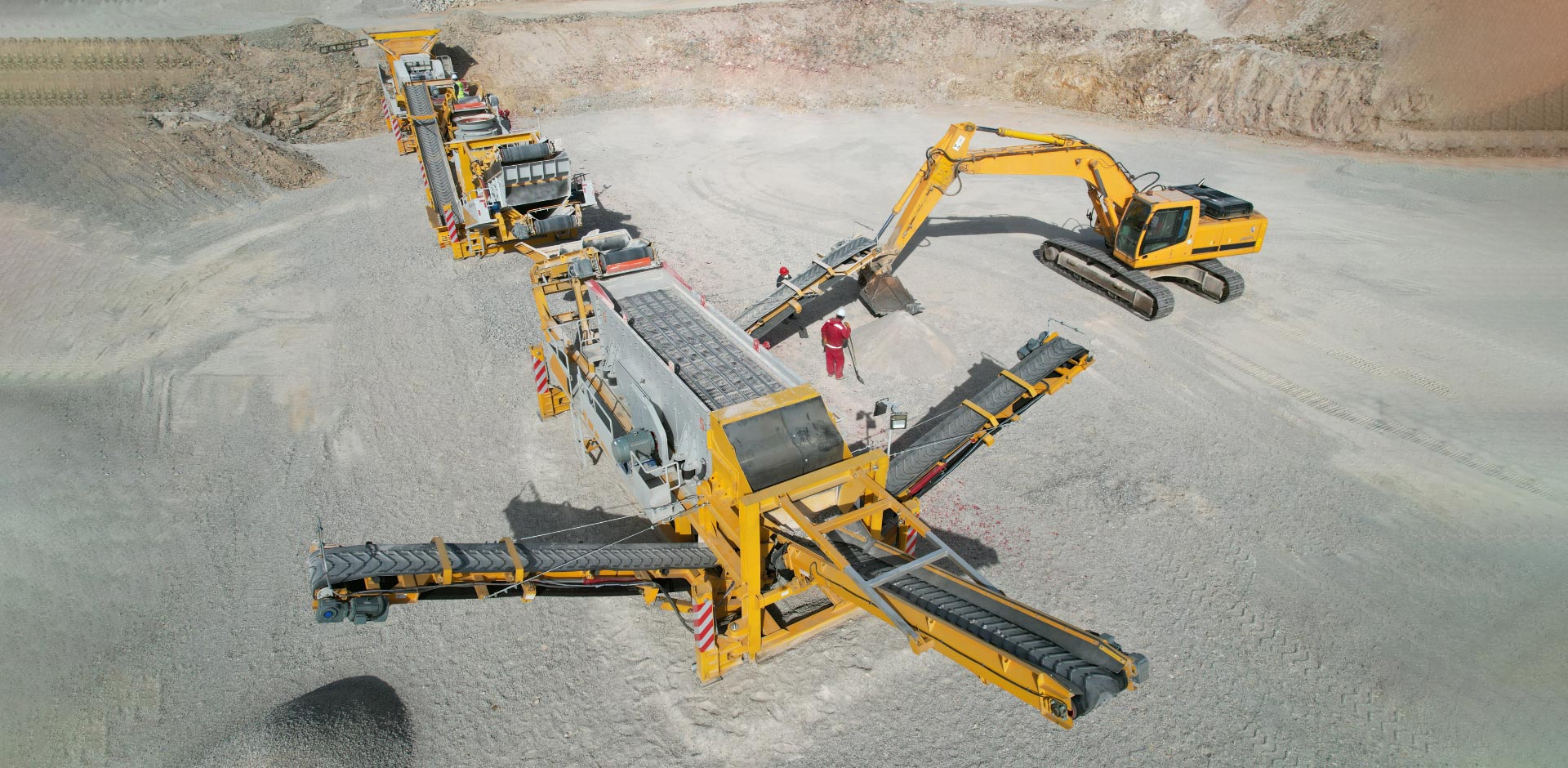
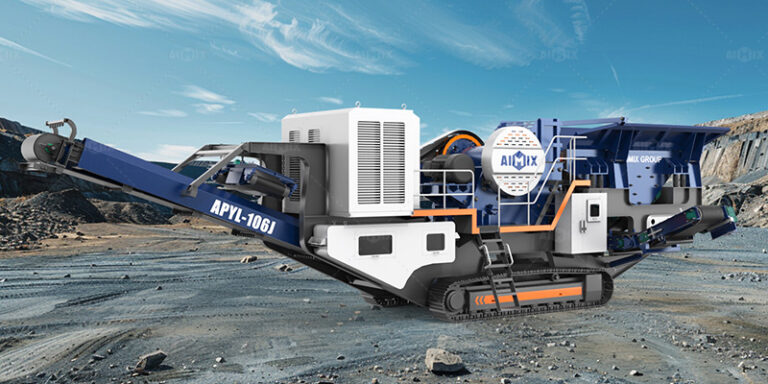
The crawler mobile jaw crusher occupies a unique ecological niche in the mineral processing world. Unlike its stationary cousin, which enjoys the luxury of consistent feed and stable foundation, the mobile unit must contend with the capricious realities of hard rock quarries, demolition sites, and mining outposts. The machine is asked to perform a brutal task—reducing competent rock from boulder dimensions to manageable fragments—while simultaneously navigating uneven terrain, varying feed gradations, and the constant threat of tramp metal.
At the heart of this machine’s efficacy lies a seemingly simple component: the jaw wear plate. Yet the metallurgy of this plate, the geometry of its tooth pattern, and the discipline of its maintenance regimen collectively determine not merely the mobile jaw crusher‘s throughput but its very economic viability. When processing high-silica granites, abrasive basalts, or the quartzite formations that frustrate lesser equipment, the difference between profitable production and a maintenance nightmare is measured in the hardness of the alloy against the hardness of the rock. This article examines the sophisticated interplay between advanced wear materials and operational optimization, offering a practical guide for operators who demand longevity from their mobile crushing assets in the most demanding hard rock applications.
Metallurgical Foundations: Selecting Wear Alloys for Abrasive Environments
Manganese Steel and Its Limits in High-Impact Zones
The industry standard for jaw crusher wear parts remains austenitic manganese steel, often specified as Hadfield grade with a nominal composition of 12-14 percent manganese. This alloy possesses a remarkable property: it work-hardens under impact. When a rock fragment strikes the jaw surface, the crystalline structure transforms, achieving surface hardness values of 450 to 550 Brinell while retaining a ductile core that resists catastrophic fracture. This dual-phase behavior is ideal for primary crushing applications where feed includes significant variation in particle size and where occasional tramp iron is a realistic risk. However, manganese steel has a critical vulnerability. For work-hardening to activate, the material requires impact energy that exceeds a specific threshold. In applications where feed is uniformly small or where the crawler crusher operates in a choked condition, the manganese does not harden sufficiently, leading to rapid abrasive wear that manifests as grooving and plastic flow of the metal. Operators processing highly abrasive hard rock must therefore ensure that the crusher receives adequate impact energy—typically achieved by maintaining a proper crushing chamber profile and avoiding excessive reduction ratios that compress the feed rather than fracturing it.
Advanced Alloy Alternatives for Specialized Conditions
When manganese steel proves inadequate, a family of advanced alloys offers alternatives tailored to specific wear mechanisms. For applications dominated by high-stress abrasion rather than high-impact fracture, martensitic steels with chromium carbide microstructures provide superior wear resistance. These alloys achieve hardness values of 550 to 650 Brinell without requiring impact for work-hardening, making them suitable for secondary crushing stages or for primary crushers processing uniformly sized, highly abrasive rock. The trade-off is reduced toughness; martensitic jaws are more susceptible to breakage from tramp metal or oversized feed. Another emerging option is the bimetallic casting, which bonds a high-chromium iron wear layer to a ductile manganese backing. This configuration places the abrasion-resistant material where it is needed—on the working surface—while preserving the impact resistance of manganese in the structural portion of the jaw. The selection of any advanced alloy must be guided by a detailed analysis of the rock’s abrasion index, compressive strength, and the presence of free silica, as these factors directly influence the dominant wear mechanism and, consequently, the optimal metallurgical response.
Wear Part Geometry: The Influence of Tooth Profile and Jaw Design
Aggressive vs. Fine Tooth Configurations for Throughput Control
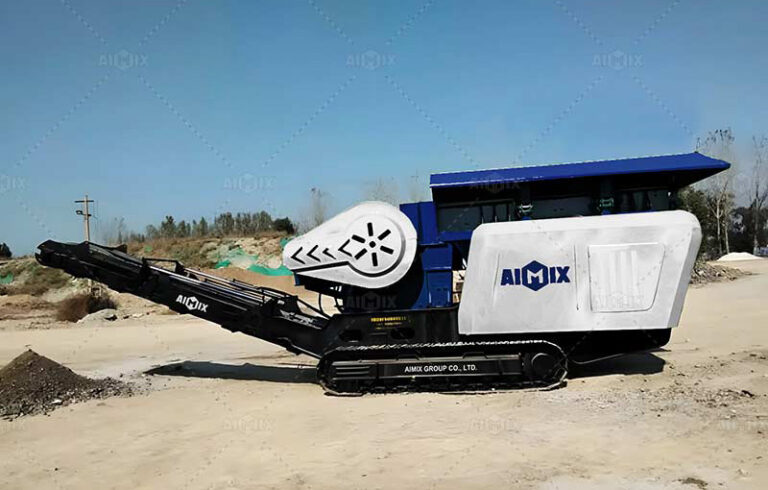
Beyond metallurgy, the geometric arrangement of crushing teeth on the jaw plate exerts profound influence on both throughput and wear distribution. Aggressive tooth profiles—characterized by deep corrugations with wide spacing—excel in coarse primary crushing applications where the objective is to maximize throughput of large feed. The deep valleys provide space for material to flow downward while the crests concentrate crushing force, initiating fractures efficiently. However, this same geometry accelerates wear in the tooth valleys, where material tends to pack and cause abrasive gouging. Conversely, fine tooth configurations with shallow corrugations distribute crushing forces across a broader surface area, producing a more uniform wear pattern and generating a smaller, more consistent product. The selection between aggressive and fine profiles involves a deliberate trade-off between instantaneous throughput and the frequency of jaw rotation. For mobile crushers that frequently relocate between sites with varying rock characteristics, specifying a medium-depth chevron or sinusoidal tooth pattern offers a compromise that balances initial production rates with acceptable wear distribution.
Fixed and Swing Jaw Asymmetry and Its Operational Implications
An often-overlooked design variable is the asymmetry between the fixed jaw and the swing jaw. Conventional crusher designs employ nearly identical tooth profiles on both jaws, but this symmetry creates inefficiencies. The swing jaw moves in an elliptical path, exerting maximum compression at the bottom of the stroke, while the fixed jaw remains stationary. Wear therefore progresses differently on each surface. Optimized designs now incorporate differentiated geometries: the fixed jaw features deeper, more aggressive teeth to capture feed initially, while the swing jaw uses a shallower profile with increased relief angles to prevent material packing during the compression cycle. This asymmetry extends wear life by up to 25 percent in field trials, as it matches the wear pattern to the kinematic reality of the crusher. Operators evaluating replacement jaws should inquire about asymmetric options from aftermarket suppliers, as original equipment manufacturers are increasingly adopting this design philosophy for hard rock applications.
Operational Optimization for Extended Component Longevity
Feed Control, Closed Side Setting, and the Avoidance of Ropy Flow
The finest wear part in the world cannot compensate for poor operational discipline. Three factors dominate wear life in mobile jaw crushers: feed distribution, closed side setting (CSS), and the avoidance of ropy feed conditions. Uneven feed—where material concentrates on one side of the crusher opening—produces differential wear that renders the jaw plate unusable while substantial wear material remains on the opposite side. Operators must utilize the rock crusher machine‘s full width by employing vibrating feeders with proper chute design or by training loader operators to distribute material across the hopper. The CSS, or the gap at the bottom of the crushing chamber between the jaws, directly influences the crushing force required and, consequently, wear rates. Running the crusher at a CSS that is too tight for the feed size increases recirculating loads and accelerates abrasive wear. Conversely, an excessively loose CSS reduces reduction efficiency and forces downstream equipment to absorb the crushing work. The optimal CSS balances the specific energy required to achieve the target product size against the wear cost of achieving it. Ropy flow—a condition where material moves through the crusher in a rope-like stream rather than spreading across the full chamber depth—represents a particular hazard. It concentrates wear in a narrow band, rapidly cutting grooves that compromise product consistency and accelerate jaw replacement intervals.
Reversal Protocols and the Economics of Rotating Wear Parts
Most manganese jaw plates are designed for reversal—the ability to flip the plate end-for-end or side-to-side to expose unworn surfaces. Yet reversal is often performed reactively rather than proactively, after significant wear has already occurred. The optimal reversal protocol is determined by measuring the wear profile at regular intervals, typically every 200 to 400 operating hours depending on rock abrasiveness. Reversing when the wear depth reaches 30 to 40 percent of the available thickness extends total plate life by up to 60 percent compared to running the plate to failure on the first orientation. For mobile crushers operating in remote locations, scheduling reversal during planned downtime—such as weekly maintenance or between shifts—prevents the production loss associated with unplanned replacement. Operators who track wear measurements systematically develop site-specific reversal intervals that maximize the value extracted from each set of wear parts. This discipline, combined with appropriate metallurgical selection and feed control, transforms the jaw crusher from a consumable-intensive bottleneck into a predictable, manageable asset that delivers consistent hard rock crushing performance without excessive cost escalation.